




Have you heard that amalgam is set to disappear from dentistry permanently in 2025? This material, used for dental fillings for decades, has been a recurring subject of discussion for some time. Health concerns and environmental impacts have brought alternatives into focus and made this change so important. But what exactly does this mean for you as a patient?
In this article, you will learn why amalgam is so controversial and what led to its eventual phase-out, which modern filling materials are used today, and what you should consider if you need a dental filling. We will show you the advantages of new materials and how they can change your dental visit. Join us on an exciting journey into the future of dentistry – easy to understand, comprehensively explained, and with valuable tips for you.
Amalgam: What is it and why was it used for so long?
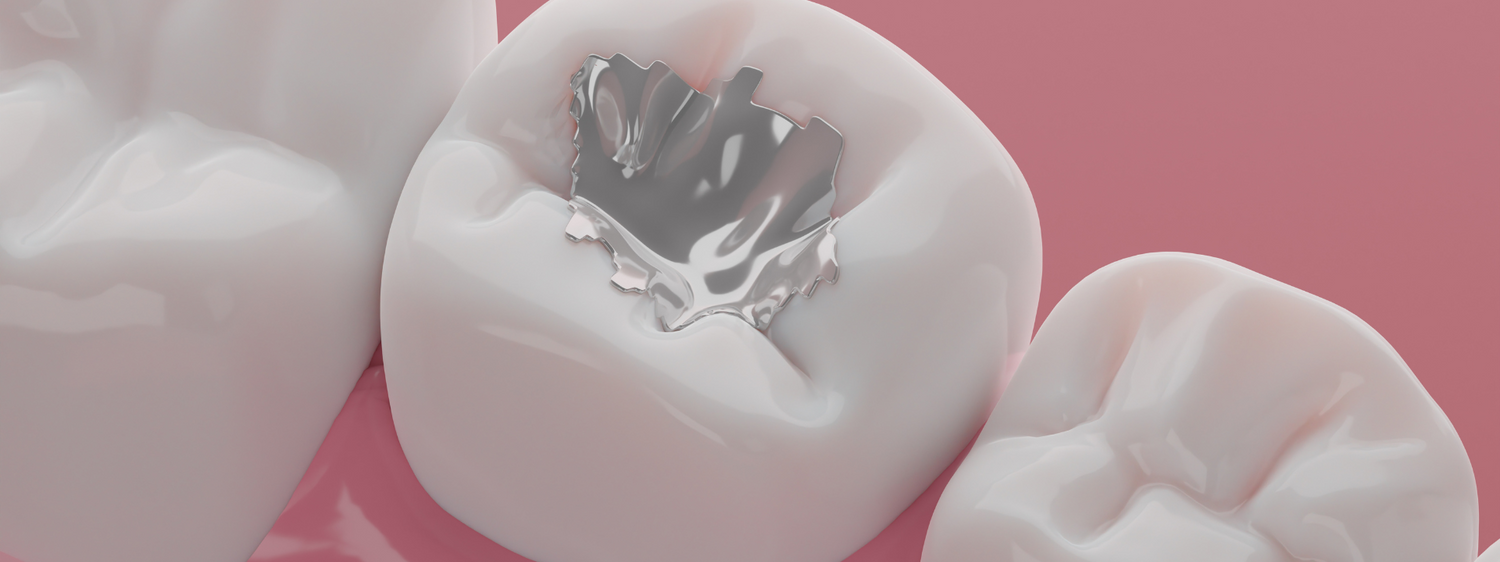
Amalgam is one of the oldest filling materials in dentistry and was used for over 150 years. It consists of an alloy of mercury, silver, tin, and copper. Why was amalgam so popular? Its durability, low cost, and easy processing made it a preferred choice for dentists worldwide. Especially for highly stressed molars, amalgam impressed with its robustness.
But like any success story, there are also downsides. Amalgam contains mercury, a substance that can be harmful to health in large quantities or with improper handling. Although studies show that the risk with intact fillings is low, concerns remain, especially with damaged or old fillings. Furthermore, the disposal of amalgam poses a major problem, as mercury can enter the environment and cause significant damage.
For you as a patient, this means: Amalgam was a proven solution for a long time, but the risks to health and the environment have led dentists to increasingly rely on modern alternatives. These new materials not only offer greater safety but also aesthetic advantages that benefit your smile.
Why is amalgam being banned? The health and ecological reasons
The decision to ban amalgam from dentistry is based on two central aspects: the protection of our environment and concern for human health. Both reasons show how important this step is for modern, sustainable dentistry.
A main component of amalgam is mercury, a highly effective but also problematic element. During disposal, even tiny amounts can be released, entering the environment and accumulating there. Mercury is highly toxic and can accumulate in the food chain, affecting not only animals but also humans. The WHO has therefore been calling for a reduction in mercury use for some time. The ban on amalgam is a step in this direction.
The health of patients is also central. Particularly sensitive groups such as pregnant women, children, or chronically ill individuals could be more susceptible to potential side effects. That's why many dentists have long offered alternatives.
For you, this means: Dentistry is becoming safer and more environmentally friendly. Progress and responsibility go hand in hand – for your health and our planet.
What alternatives are there? An overview of modern materials
- Composites – The Invisible Favorite: Tooth-colored plastic fillings that can be perfectly adapted. They are now very durable and particularly suitable for front teeth.
- Ceramics – Natural Beauty with Highest Precision: Ceramic inlays or onlays are durable and virtually invisible. Ideal for larger defects – but more expensive.
- Gold – The Classic for Molars: Extremely durable, but noticeable and expensive. A solid option for strong chewing pressure.
- Glass Ionomer Cement – Practical for Smaller Procedures: Inexpensive and easy to use, ideal for temporary or smaller fillings. Releases fluoride and additionally protects the tooth.
Which solution is ideal for you depends on the tooth's position, your aesthetic preferences, and your budget. Talk to your dentist to find the right alternative.
What does the future of dental fillings look like?
Dentistry is evolving rapidly. Bioactive ceramics can support tissue and even promote tooth growth. 3D printing and AI enable individual fillings directly in the dental practice – quickly and precisely.
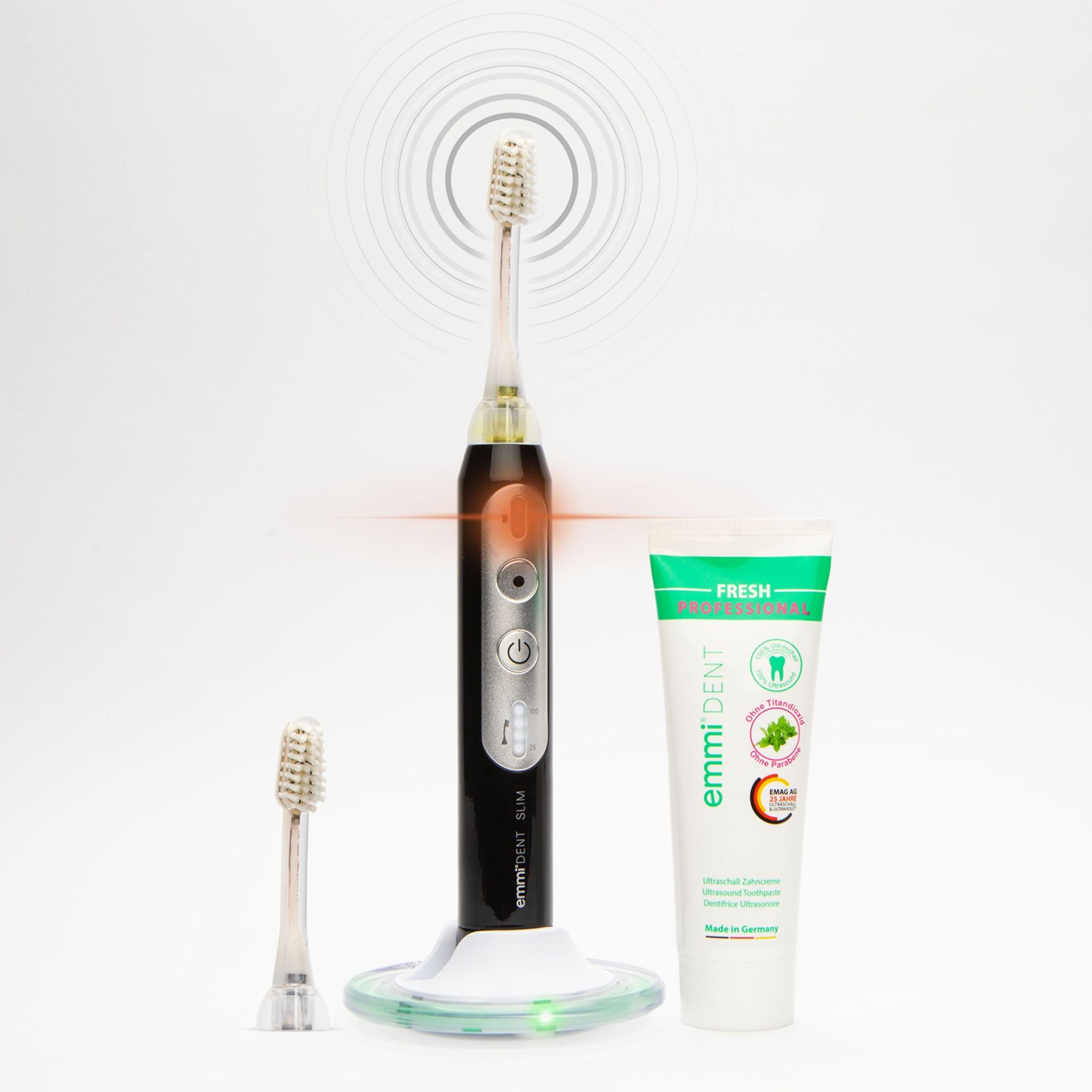
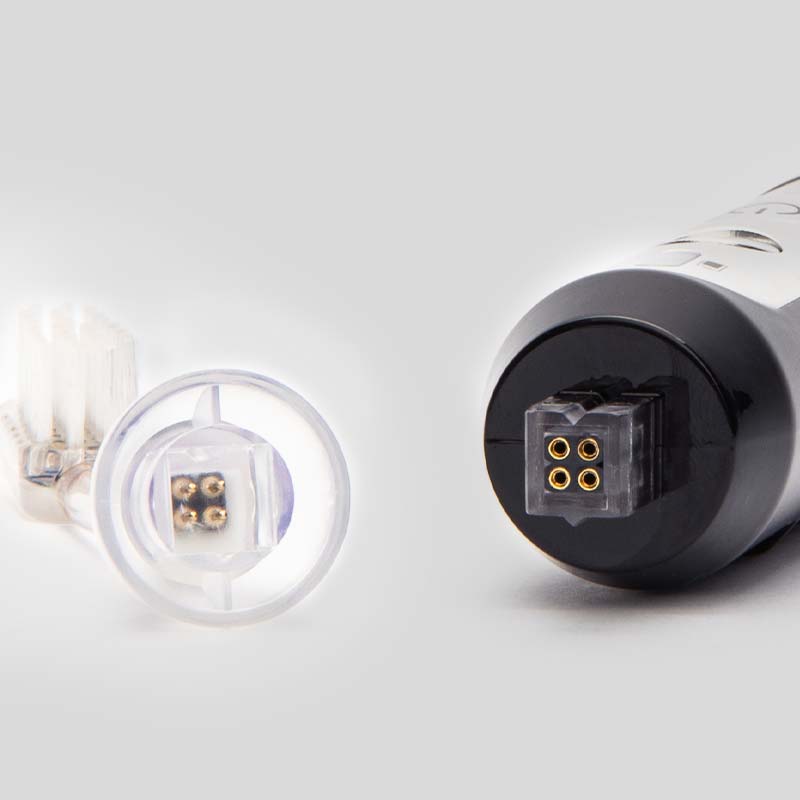
However, what remains important is: Thorough dental care is the best prevention. Our ultrasonic toothbrush from emmi-dent supports you in this. It cleans particularly gently and reaches even hard-to-reach areas.
The future of dental fillings is sustainable, precise, and aesthetic – for a healthy and radiant smile.