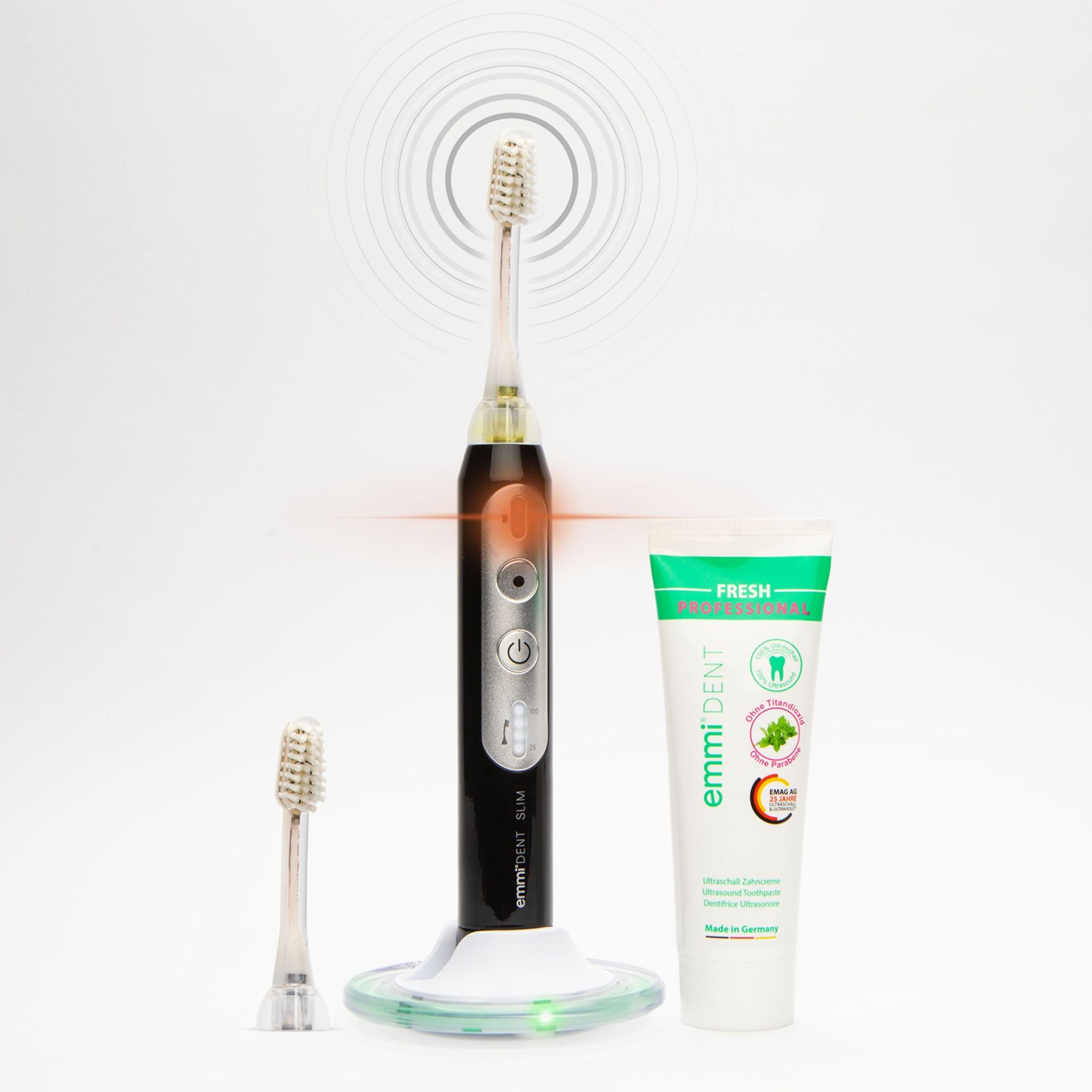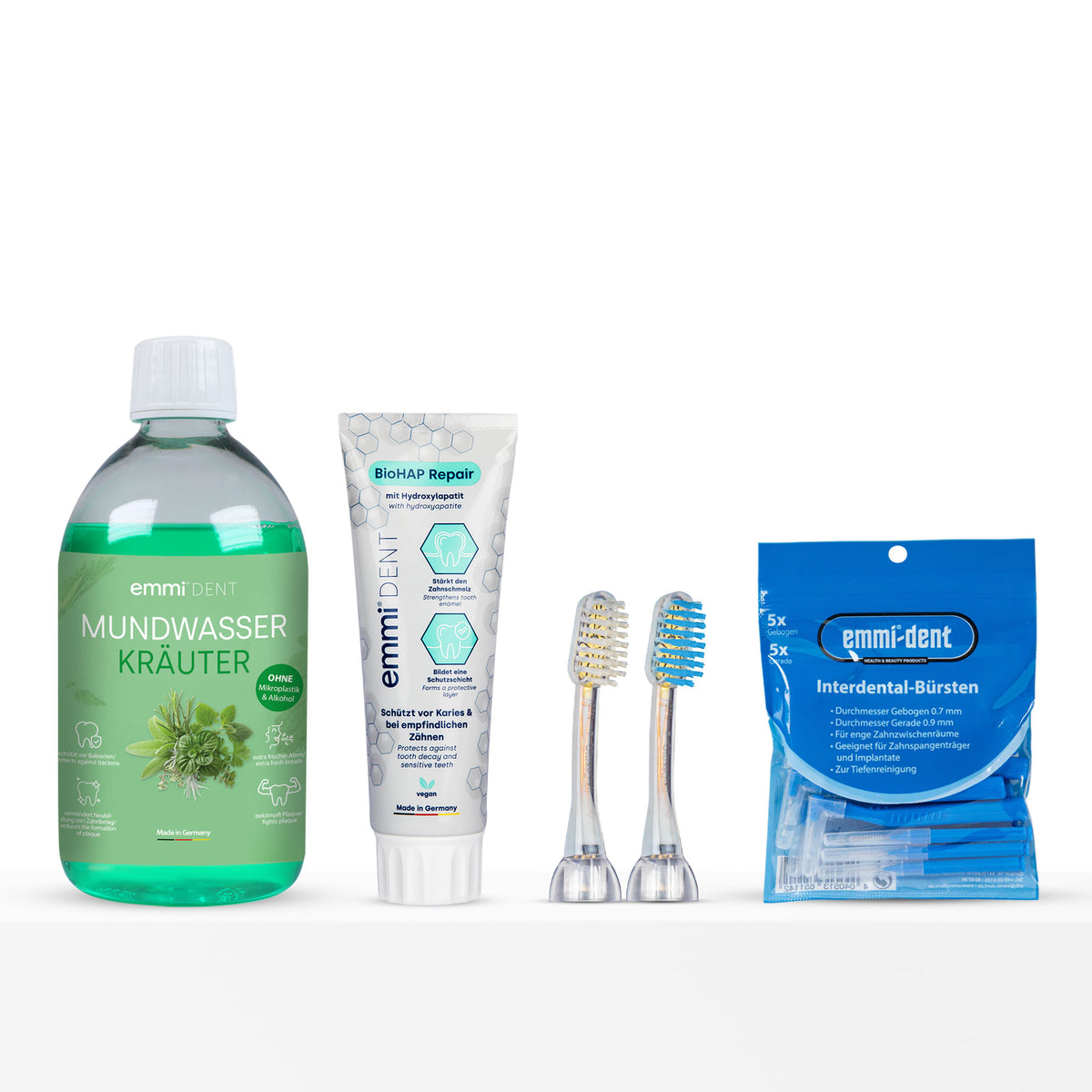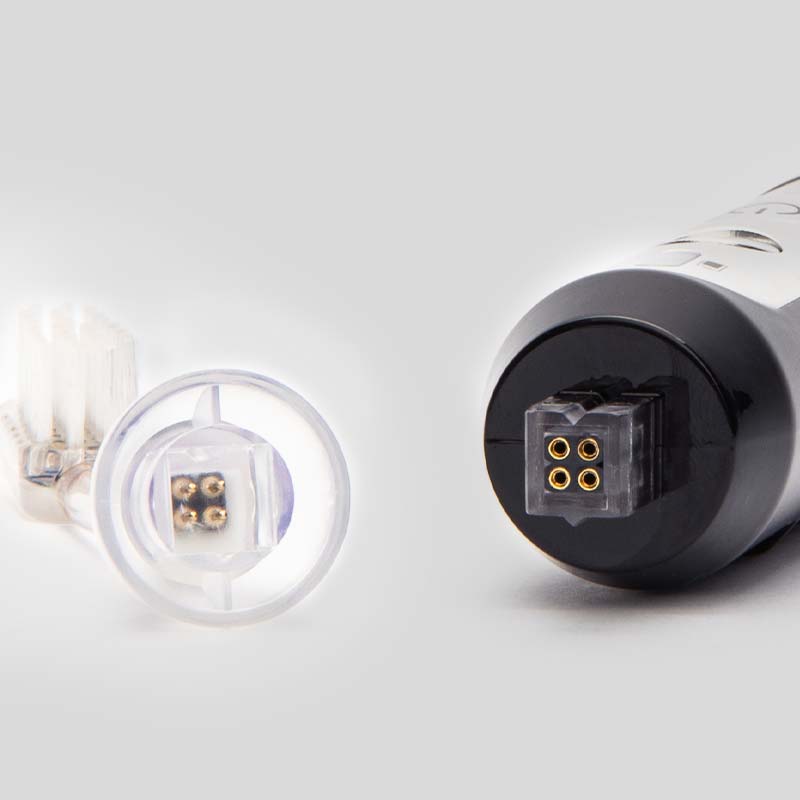
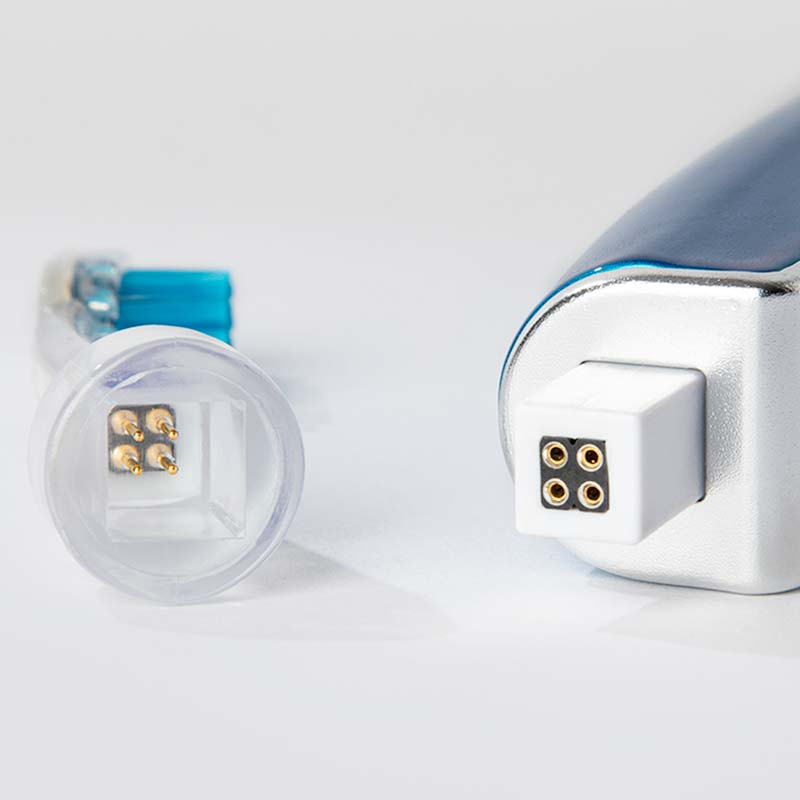
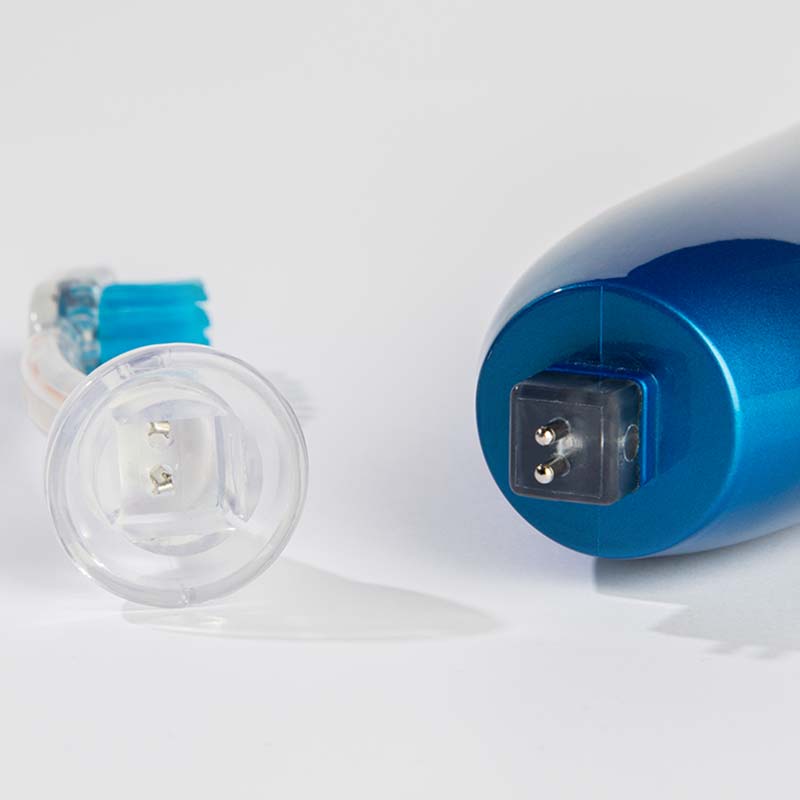
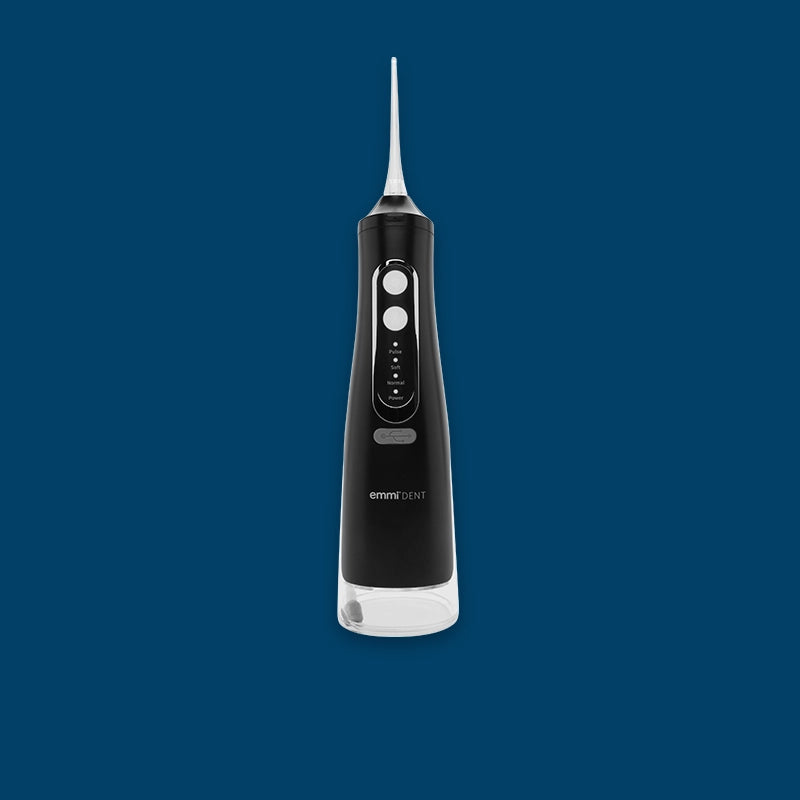
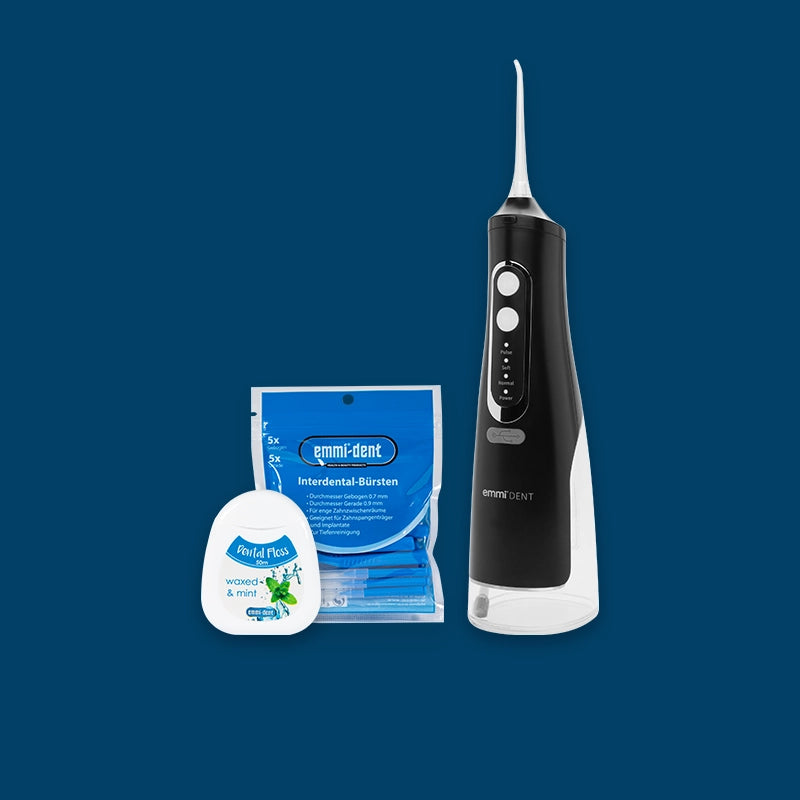
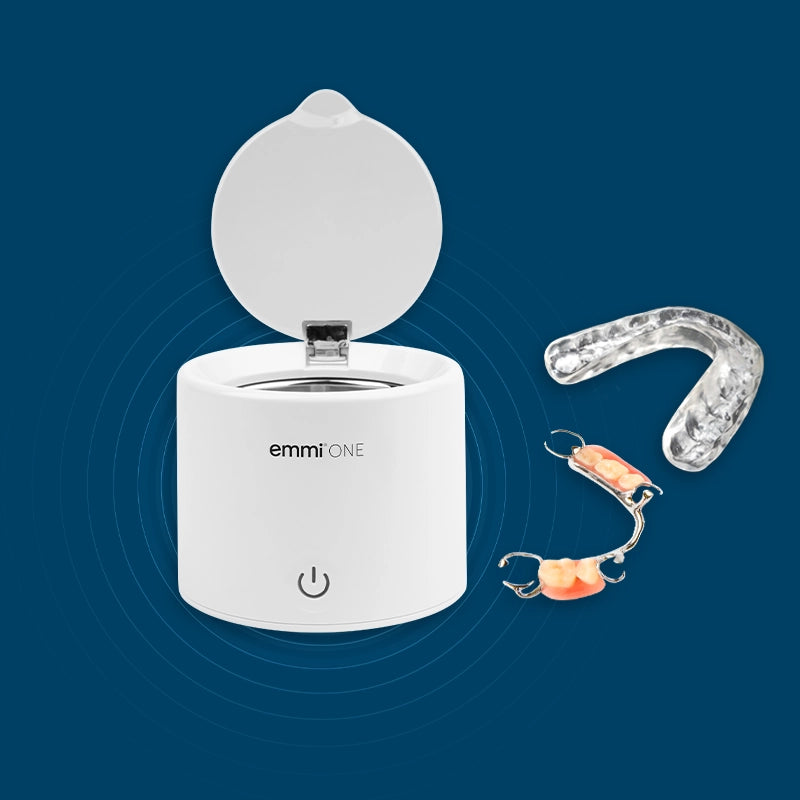






Dentures, bridges, implants, and crowns: With dental prosthetics, daily oral hygiene can sometimes become a real challenge. On one hand, dental prosthetics offer a great habitat for bacteria. On the other hand, a conventional toothbrush is hardly capable of thoroughly removing food residues and plaque from all areas of dental implants. The emmi-dent ultrasonic toothbrush now provides a solution. The innovative ultrasonic technology can clean teeth, interdental spaces, and gums, as well as your dental prosthetics, without damaging the delicate material. This makes ultrasound excellent for denture cleaning and simultaneously protects repaired and restored areas in the mouth.
The special challenges of cleaning dental prosthetics
If one or more teeth are so damaged that the tooth substance can no longer be saved, dental prosthetics are necessary. These are used in a variety of forms – as removable or fixed prosthetics:
- Crowns and bridges are each firmly anchored in the jaw. While partial and full crowns are intended to stabilize existing remaining teeth to preserve them, dental bridges replace one or more teeth.
- Implants are artificial tooth roots to which various types of dental prosthetics can be attached.
- Veneers are porcelain shells that are attached to the surface of the teeth.
- Dentures are removable dental prosthetics that can be made as partial or full dentures.
As far as care is concerned, there is no difference between natural teeth and dental prosthetics: Both require thorough cleaning – otherwise, new dental diseases up to further tooth loss threaten. Without thorough cleaning of the dental prosthetic, it can be damaged, which can become a costly undertaking.
Why cleaning your dental prosthetic is so important
If food residues and plaque are not properly removed during oral hygiene, harmful bacteria will settle. The plaque gradually hardens into tartar, which can cause dental diseases such as caries, periodontitis, and gingivitis. Plaque not only attaches to the teeth but also, without careful cleaning of the dental prosthetic, to the surfaces of the prosthetic. This quickly becomes a danger, especially with removable dental prosthetics, because they have been precisely crafted to the millimeter, and the prosthetic will soon no longer be so easy to remove. Bacteria also quickly settle on crowns, bridges, and implants. With dental crowns, the margins and interdental spaces are highly vulnerable; with bridges, additionally, the surfaces where the prosthetic rests on the gums. In these areas, the dental care of the bridge or crown is particularly difficult because they are hard to impossible to reach with a toothbrush.
Cleaning dental prosthetics: Scrubbing can damage the delicate material
According to the National Association of Statutory Health Insurance Dentists, the best way to clean a removable dental prosthetic is with water and a toothbrush. You can also achieve excellent results with an ultrasonic bath, in which the ultrasound thoroughly removes all deposits from the prosthetic. Cleaning dental implants, bridges, and crowns that are firmly anchored in the mouth is more difficult. A fixed dental prosthetic is not only difficult to clean. At the same time, the delicate material from which dental implants, bridges, and crowns are made can be damaged by too much scrubbing with a toothbrush. The surface shine of the dental implants can also quickly be lost due to abrasive brushing.
Ultrasound for dental care of bridges, crowns, and implants
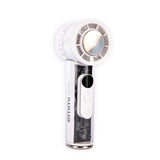
With ultrasound, not only can removable dental prosthetics be wonderfully cleaned, but also fixed dental prosthetics with the emmi®-dent ultrasonic toothbrush. The toothbrush works with 100 percent original ultrasound, which is able to thoroughly clean even hard-to-reach areas of food residues, plaque, and bacteria. The excellent cleaning effect is due to tiny bubbles created by the 96 million vibrations per minute of the ultrasonic toothbrush. They effortlessly penetrate areas where a conventional toothbrush fails: interdental spaces and gums, as well as dental implants, bridges, and crowns. During dental cleaning, ultrasound not only reduces bacteria in the tissue and between the implants that can cause infections. It offers further advantages for the dental care of bridges and implants: Ultrasonic dental cleaning simultaneously promotes blood circulation in the tissue, so that the implants are better protected from bacteria.
Ultrasound instead of scrubbing: material-friendly cleaning of dental implants
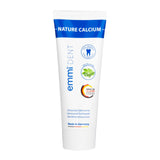
For thorough dental care of bridges, crowns, and implants, the emmi®-dent requires only 0.2 watts of energy. In combination with the 96 million vibrations per minute, however, this power is sufficient to clean the spaces of the dental prosthetic without attacking the prosthetic material. As a result, crowns and bridges are not damaged during ultrasonic dental care. At the same time, this type of cleaning keeps the dental implants shiny and looking like new. This also applies to veneers, which are made of porcelain, so that even the smallest particles of conventional toothpaste can leave scratches – but not with the innovative ultrasonic technology of the emmi®-dent: When cleaning with the ultrasonic toothbrush, no more scrubbing is required, and the ultrasonic toothpaste specially developed for dental cleaning with the emmi®-dent also contains no abrasive particles that could damage the delicate dental implants during cleaning. This way, your teeth remain clean and healthy, and your dental prosthetics stay shiny and bright for a long time.