







January stands for new beginnings and fresh energy. Many people resolve to be more active, eat more consciously, and do more for their health. Gyms are buzzing, training plans are optimized, and protein shakes, smoothies, or pre-workout boosters suddenly become a fixed part of daily life. The focus is clearly on performance enhancement, muscle building, and a healthier lifestyle.
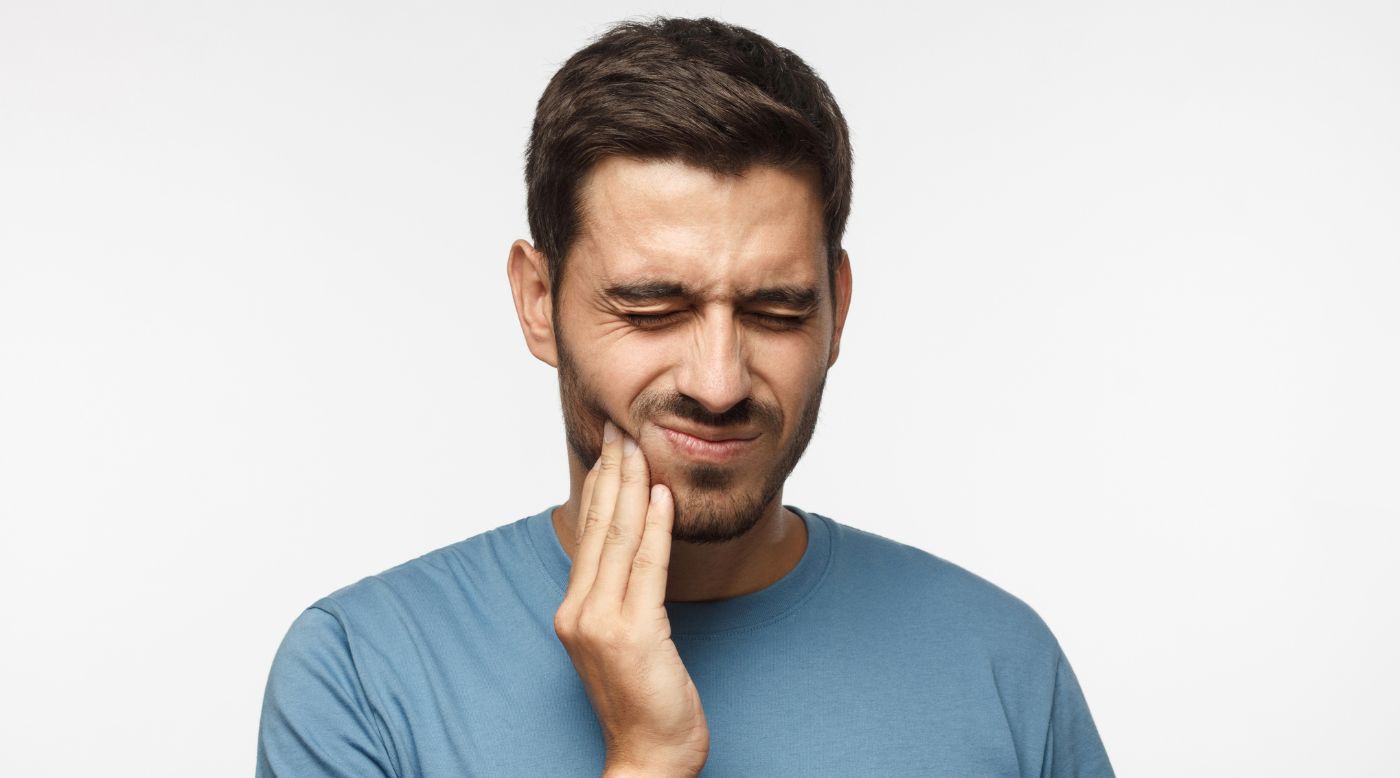
What is often overlooked: These new routines do not only affect muscles and metabolism, but also dental health. Especially protein-rich drinks, acidic supplements, and frequent meals significantly change the environment in the oral cavity. The consequences often remain unnoticed at first and only become apparent after weeks or months in the form of sensitive teeth, irritated gums, or a persistently unpleasant feeling in the mouth.
In this article, we explain why January sports trends pose a particular challenge for your teeth, which ingredients from fitness products can stress tooth enamel, and how you can specifically protect your dental health without having to give up motivation, training, or new habits.
When healthy eating becomes a burden for tooth enamel
Protein shakes, pre-workout boosters, and vitamin-rich smoothies are an integral part of modern fitness for many. They promise quick nutrient supply, can be easily integrated into daily life, and are considered healthy support for training and regeneration. However, what is often overlooked: Many of these products pose a real challenge for tooth enamel.
Most common fitness drinks have a low pH value and also contain sugar or sweetening ingredients. Acids attack tooth enamel by dissolving minerals from the tooth surface and temporarily softening it. At the same time, sugar and sweeteners provide food for bacteria in the mouth, which in turn produce acids. The natural balance in the mouth is disturbed.
The problem is less the single shake, but rather the frequency of intake throughout the day. Those who regularly take small sips keep the mouth in an acidic environment permanently. Saliva, which normally helps to neutralize acids and redeposit minerals into the tooth enamel, hardly gets time to regenerate. The result is a gradual weakening of the tooth surface, which often only becomes noticeable later through sensitivities or increased susceptibility to cavities.
Why many dental problems in the fitness year are only noticed late
In everyday life, the effects of new fitness and eating habits are rarely noticeable immediately. Much more often, they begin insidiously. Teeth react more sensitively to cold or heat, breath feels strained more quickly, and plaque appears to form faster than usual. Some feel a slight tugging at the tooth necks, others an uncomfortable feeling after drinking protein shakes or acidic smoothies. Often, these are only small changes that are easily overlooked at first.
Especially in January, these signals are often suppressed. The focus is on training, performance enhancement, and one's own stamina. The body should function, routines should take hold. However, dental health does not follow the principle of "close your eyes and keep going." It reacts sensitively to changes in everyday life and needs early attention to remain stable in the long term.
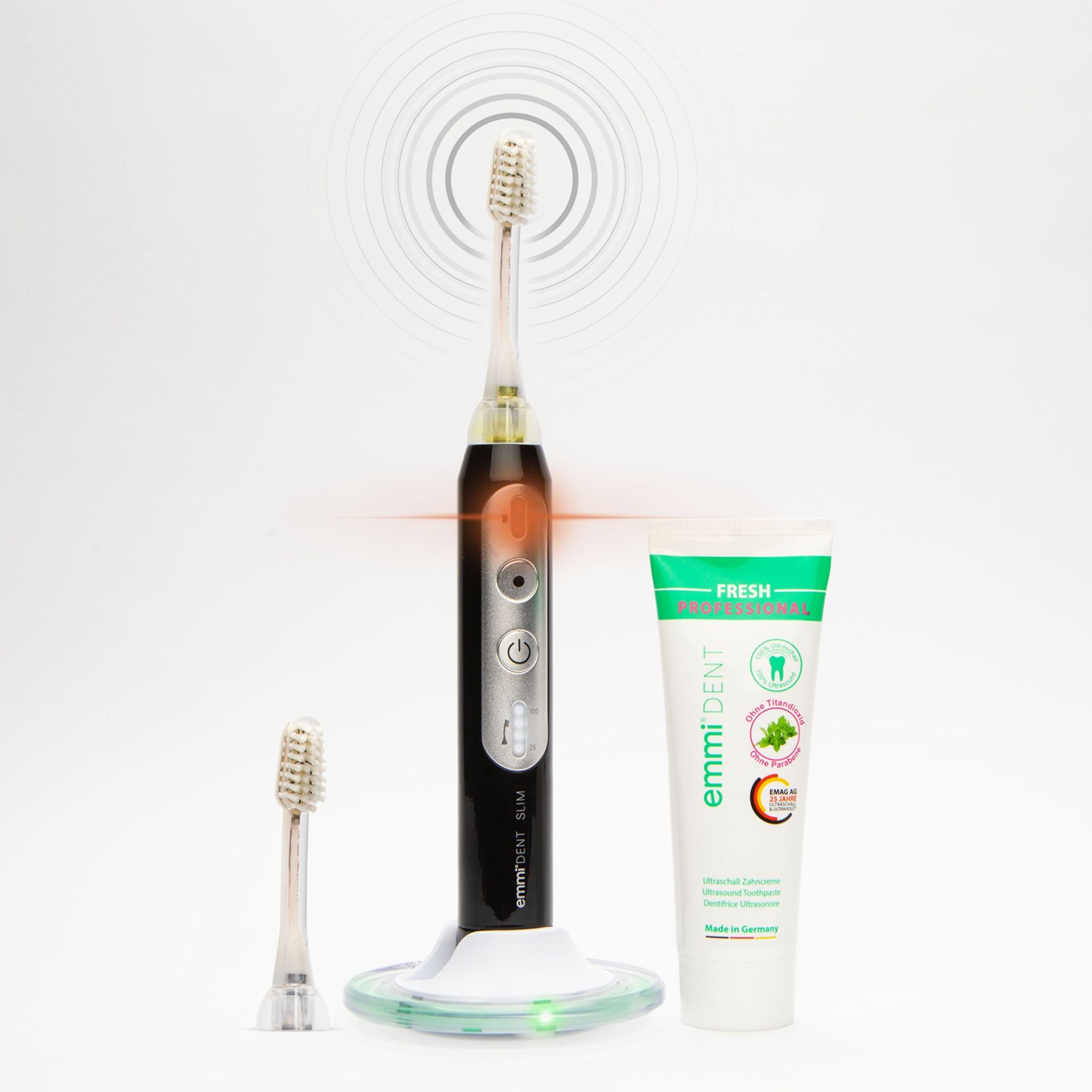
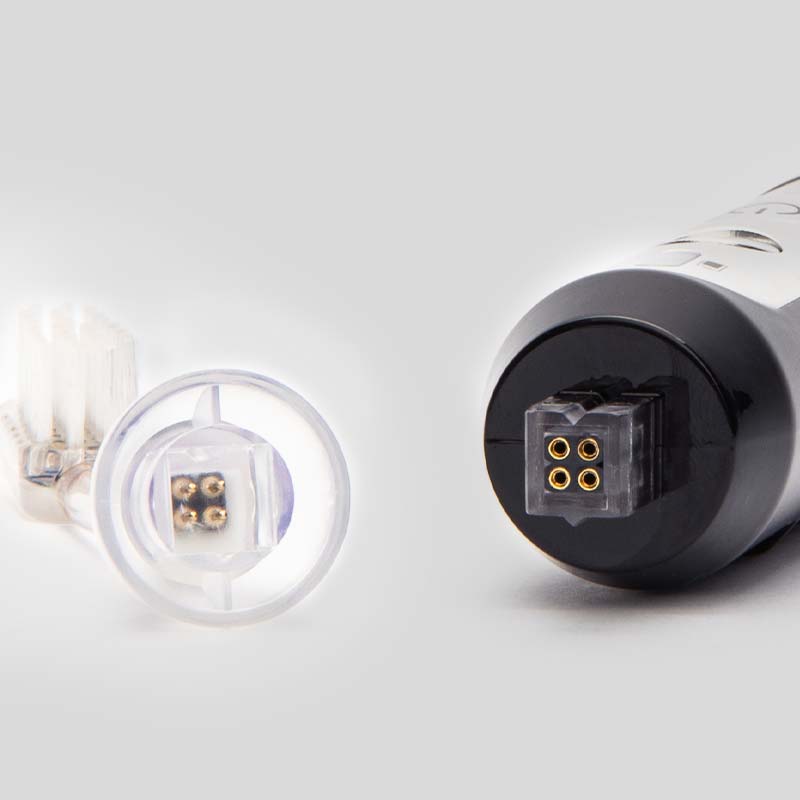
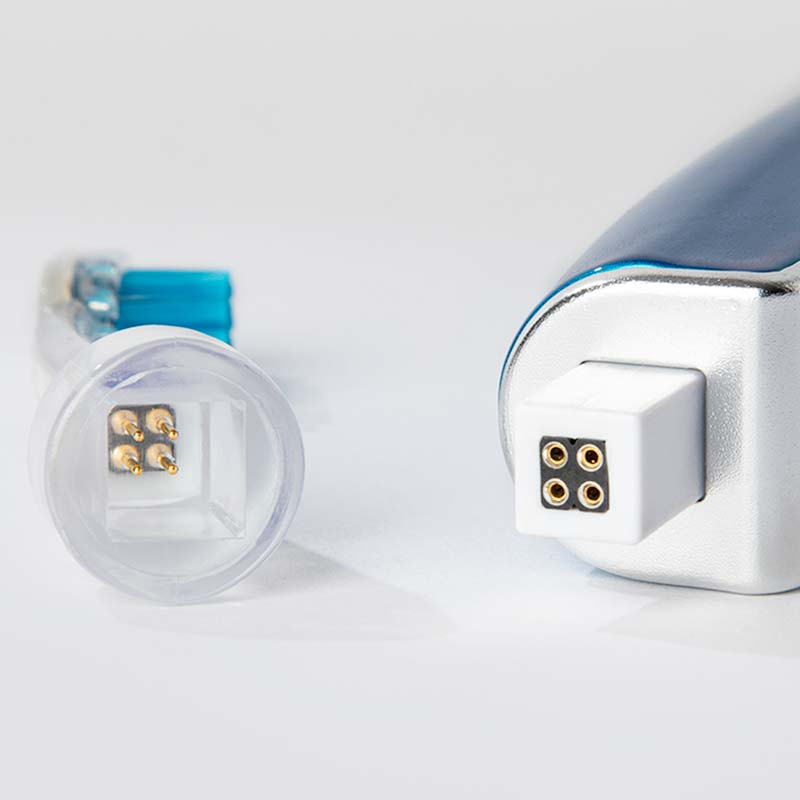
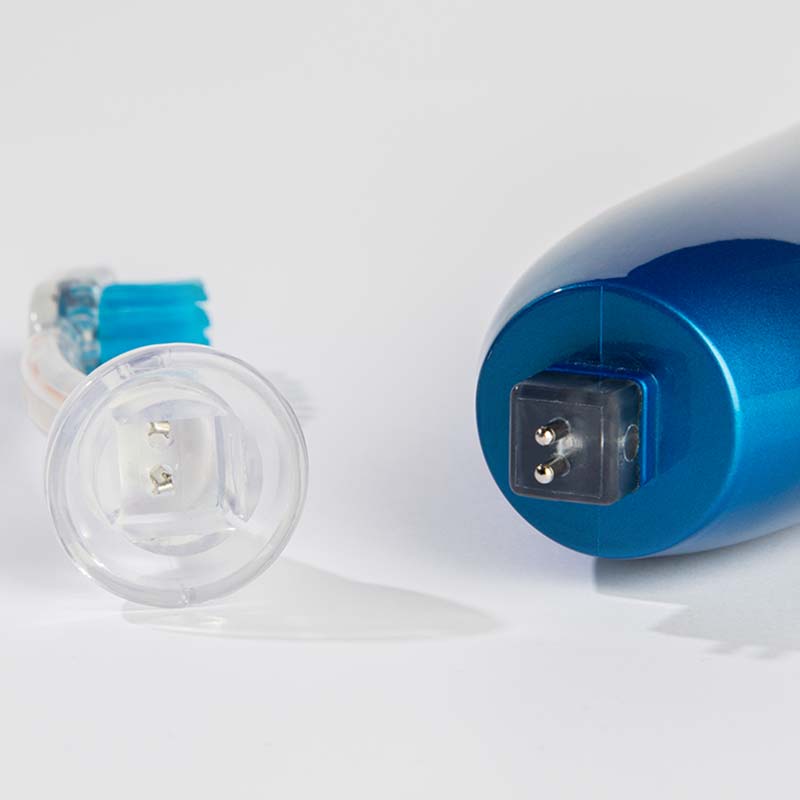
Those who take early warning signs seriously and support the oral cavity from the beginning can avoid many problems. Gentle, consistent dental care, for example, with our emmi-dent Ultrasonic Toothbrush "White Teeth Set" helps to compensate for new stresses before they become entrenched. This way, the focus on fitness and well-being is maintained without your teeth paying the price later.
The right way to handle shakes, boosters, and dental care
Many people ask themselves the same question when adopting new fitness routines: Should I brush my teeth immediately after every protein shake or booster? The answer is not general but requires some background knowledge of dental health.
Protein shakes, smoothies, and pre-workout drinks often contain acid-forming ingredients. Immediately after consumption, tooth enamel is temporarily softer and thus more sensitive to mechanical stress. Brushing vigorously at this moment can unnecessarily strain the protective layer of the teeth, even if the intention is good.
It is more sensible to first give the oral cavity time for natural neutralization. A glass of still water helps to dilute acids and slowly balance the pH value in the mouth. Only after about 20 to 30 minutes is the tooth enamel stable enough again for thorough cleaning.
Especially during this transition phase, the type of dental care plays a crucial role. Gentle cleaning methods support oral health without additionally irritating sensitive tooth surfaces. This way, new fitness habits and dental health can be better combined, even in intensive training routines.
Ultrasonic dental care in everyday fitness
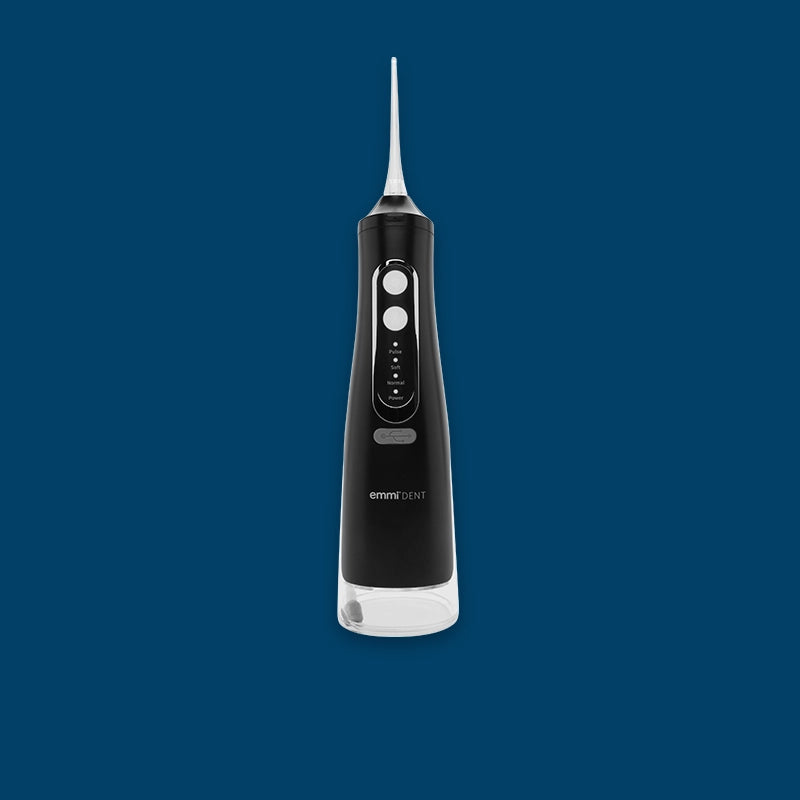
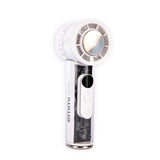
Ultrasonic dental care with emmi-dent comes into play where classic routines often reach their limits in everyday fitness. It works without mechanical pressure and avoids scrubbing movements that can additionally strain teeth and gums. Our emmi-dent Slim uses ultrasound to loosen bacterial plaque even in hard-to-reach areas. Exactly where conventional toothbrushes usually only work with friction.
Especially when tooth enamel is more stressed by acidic drinks such as protein shakes, smoothies, or boosters, this form of dental care is particularly gentle. The oral cavity is thoroughly cleaned without further straining the tooth surface. Many people therefore find brushing their teeth significantly more pleasant, especially with sensitive teeth or irritated gums.
In January, when training and eating habits often change noticeably, ultrasonic dental care can help you to keep your dental health stable without adding extra time or complicated steps to your daily routine. A calm, effective care adapts to your new fitness rhythm and supports the oral cavity exactly where it needs more attention now.
How to meaningfully integrate dental care into your training routine
Dental care does not contradict an active lifestyle. On the contrary: Regular training and conscious self-care are closely linked. A well-thought-out dental care routine can be easily integrated into existing processes without additional effort. After
- evening training,
- before going to bed, or
- as a calm conclusion to a demanding day
a firm, reliable moment for your dental health is created.
Many people experience this time as beneficial. After physical exertion, it is easier to calm down internally. Dental care is not perceived as another task, but as part of regeneration. A short transition from activity to relaxation mode.
If you can consciously integrate your dental care into your training routine, it gains importance. It not only supports healthy teeth and a stable oral feeling, but also strengthens the feeling of doing something good for your body holistically. Thus, an everyday routine becomes a small ritual that meaningfully connects training, recovery, and dental health.