






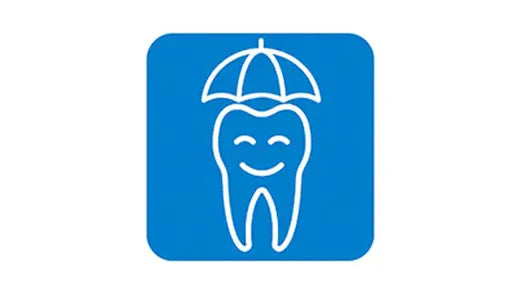
The Tooth Männchen (tooth character) was introduced as part of caries prevention. You can find the seal of the Aktion zahnfreundlich e.V. (Toothfriendly International association) on chewing gum packaging and other sweets and foods, for example. In today's blog post, we explain why low-molecular-weight sugars promote tooth decay not only in children.
The Tooth Männchen as the seal of Toothfriendly International
Diseases of the periodontium (periodontal diseases) and caries are infectious diseases. But that's not all, because caries and periodontal diseases are even among the most common infectious diseases in humans. Oral diseases are strongly linked to our human lifestyle and diet. In the area of nutrition, an increased and unnecessary sugar consumption plays a particularly important role in caries prevention.
Low-molecular-weight sugars are primarily responsible for periodontal diseases and caries. These are sugars based on starch. They are proven to promote tooth decay and are also responsible for many other inflammatory processes in the mouth. Reduced consumption of low-molecular-weight sugars can prevent the formation of tooth decay.
Children and adolescents, in particular, love soft drinks and sweets that contain a high proportion of low-molecular-weight sugars. The insidious thing about it? Sugar does not always appear as obviously as it does in sweets. Hidden sugars are found in almost all foods. Above all:
- Sweets
- Soft drinks
- and ketchup.
Ideally, you should make sure that you replace sugar and the resulting starches in your diet with fruits, vegetables, and raw food.
Experts recommend sweets from Toothfriendly International
An understanding of the importance of dental health is formed early in childhood. Experts therefore recommend sweets that are marked with the Tooth Männchen seal from Toothfriendly International. Sweets with the Tooth Männchen printed on their packaging use sugar substitutes instead of sugar for sweetening. These are tested beforehand in certified laboratories.
When using sugar substitutes, the pH value in the mouth cannot fall below the critical value of 5.7. The sensitive enamel is not demineralized. Demineralization is a particular problem for dental health in children. If the test result is positive, i.e., tooth-friendly, the food or sweet can be awarded the Tooth Männchen seal.
There are currently more than 100 different sweets that have been awarded the Tooth Männchen seal. Did you know that even cough syrups have been awarded the Tooth Männchen seal?
What is behind Toothfriendly International (Aktion zahnfreundlich e.V.)?
The Aktion zahnfreundlich e.V. (Toothfriendly International) guarantees for all products marked with the Tooth Männchen that they are not only sugar-free but also low in acid. In addition, a guarantee is given that the products have been scientifically tested and that they do not cause tooth decay or acid damage to teeth.
Even the Robert Koch Institute recommends the Tooth Männchen from Toothfriendly International as a quality seal in its Federal Health Report. The growing awareness will hopefully lead to fewer and fewer children and adults suffering from tooth decay.
FAQ: 3 Questions and Answers about the Tooth Männchen from Toothfriendly International
How can you recognize tooth-friendly sweets?
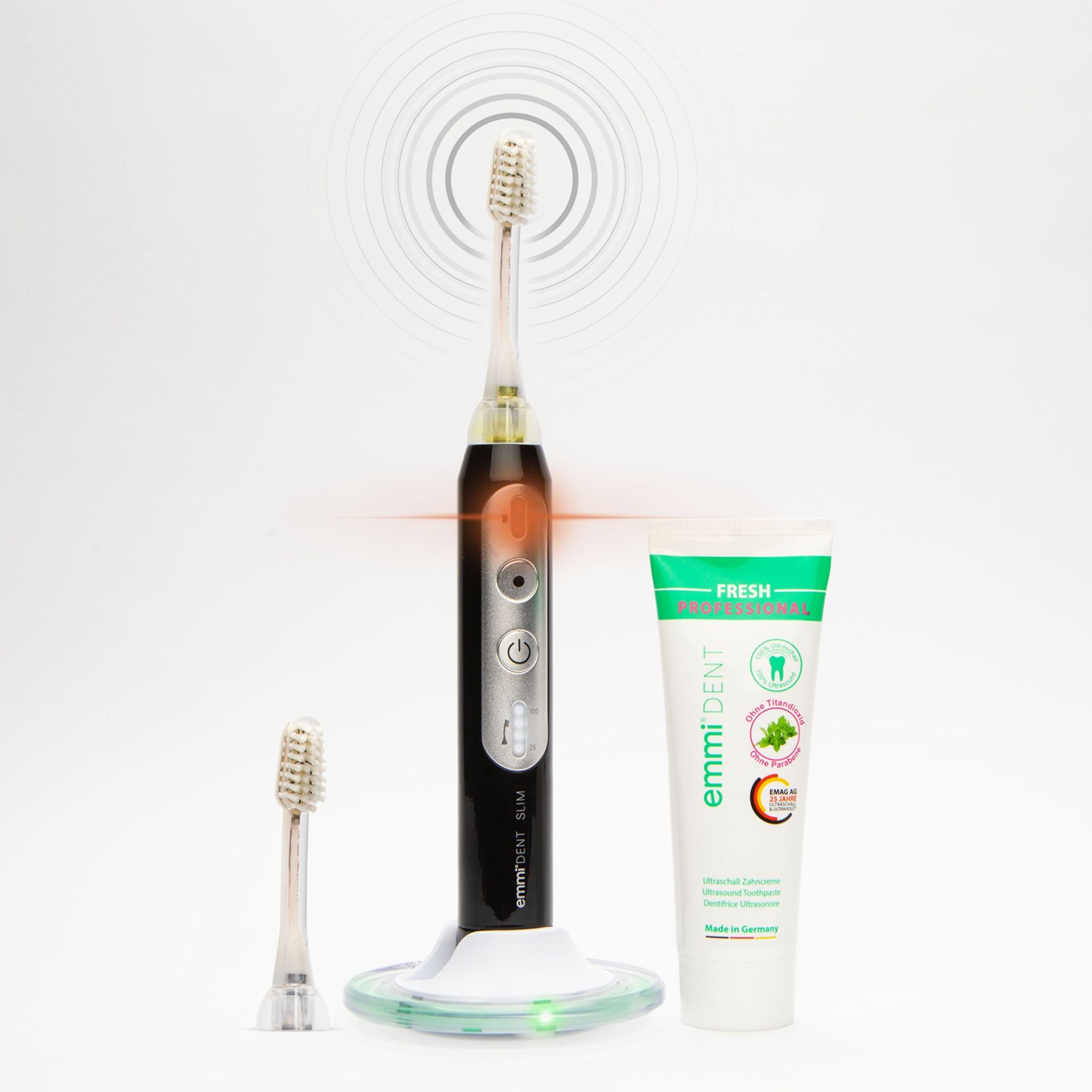
Tooth-friendly sweets and foods can be recognized by the Tooth Männchen seal from Toothfriendly International. Despite tooth-friendly and low-acid sweets and snacks, daily dental care is essential. Emmi-dent ultrasonic toothbrushes work abrasion-free and clean thoroughly.
What does the Tooth Männchen on packaging mean?
The Tooth Männchen seal is the quality mark of Toothfriendly International. It confirms that sweets and foods are not only sugar-free but also low in acid. The Tooth Männchen on packaging guarantees scientific testing that marked products do not lead to acid damage to teeth or cause tooth decay.
Which sweets belong to the Tooth Männchen Toothfriendly International campaign?
More than 100 different sweets have already been awarded the Tooth Männchen seal by Toothfriendly International. The number is constantly growing. Toothfriendly International publishes which sweets currently bear the seal on their website.