






An unsuspecting bite on a crispy bread, a hard pit in a cherry - and suddenly a stabbing pain shoots through your jaw. Or you feel a splinter on your tongue where your tooth just was. Situations like these don't just happen during sports or while traveling - they often hit us when we least expect them. Whether it's a broken incisor, a lost filling, or a throbbing pain out of nowhere: dental emergencies happen suddenly - and demand clear, deliberate action.
But what should you do in the first moment? What relieves the pain - and what might make it worse? And most importantly: How can such situations be avoided in the long term? In this article, we'll take a close look at the most common dental emergencies - and give you concrete, actionable tips. For home, for on the go, and for the good feeling of being prepared in an emergency. Because with the right care and a little knowledge, you can specifically prevent many problems - and react quickly, safely, and calmly in an emergency.
Toothache - what's behind it?
Dull, throbbing, or stabbing? Toothaches can have many faces - and often the cause is deeper than expected.
Common triggers:
- Inflammation of the dental nerve (pulpitis)
- Cavities under an old filling
- Gum inflammation (gingivitis, periodontitis)
- Hypersensitivity in exposed tooth necks
- Hairline cracks in tooth enamel or grinding
What to do?
- Stay calm - and do not further irritate the tooth
- Rinse gently with lukewarm salt water
- Pain-relieving dental gel or ibuprofen if needed
- Cool (e.g., with a cold pack on the outside of the cheek - never directly on the tooth!)
- And: See a dentist as soon as possible
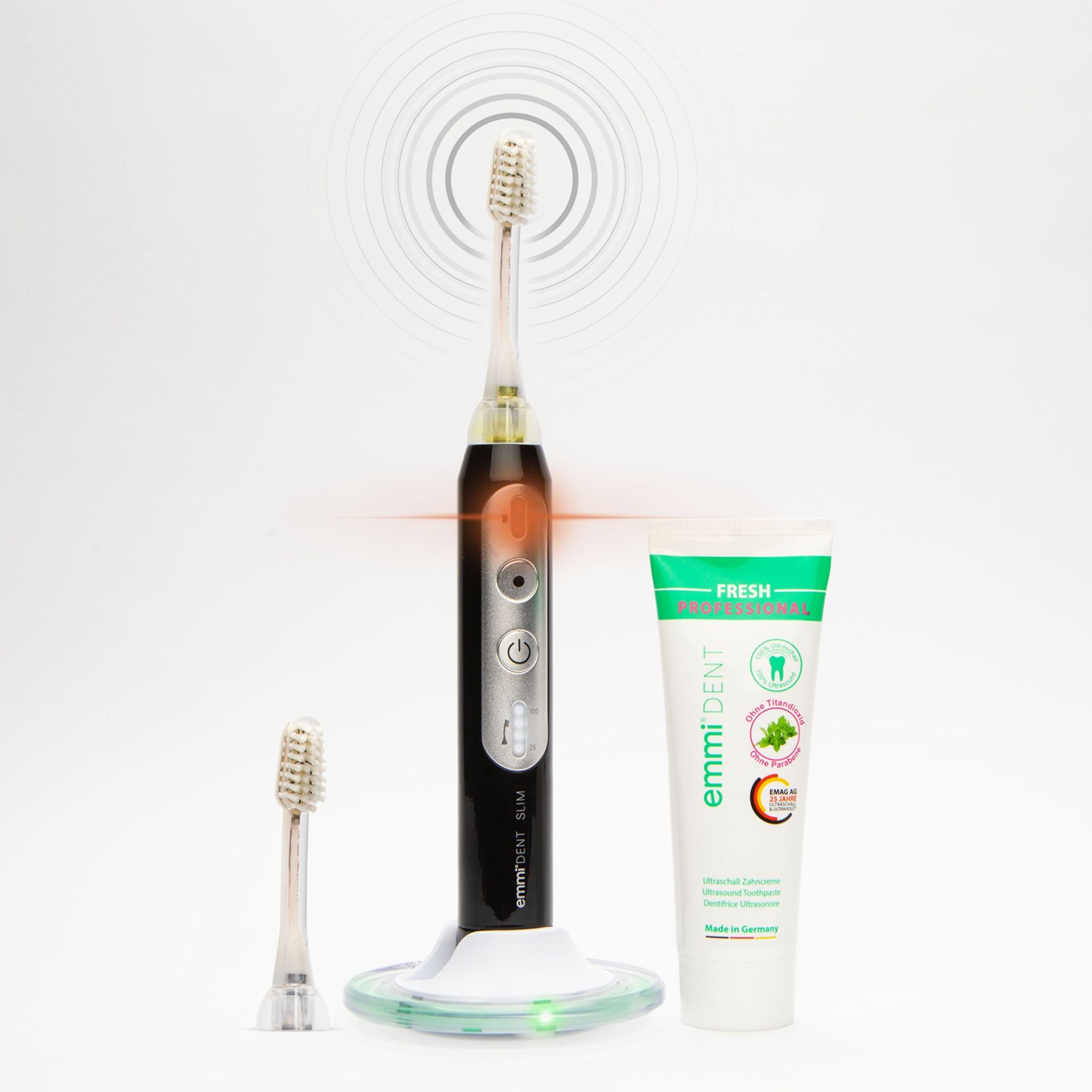
Important: Avoid heat, pressure, and aggressive brushing. For acute irritations, use an ultrasonic toothbrush like our emmi-dent Slim if possible, to avoid putting additional strain on the affected area.
Broken tooth - a case for tooth salvage
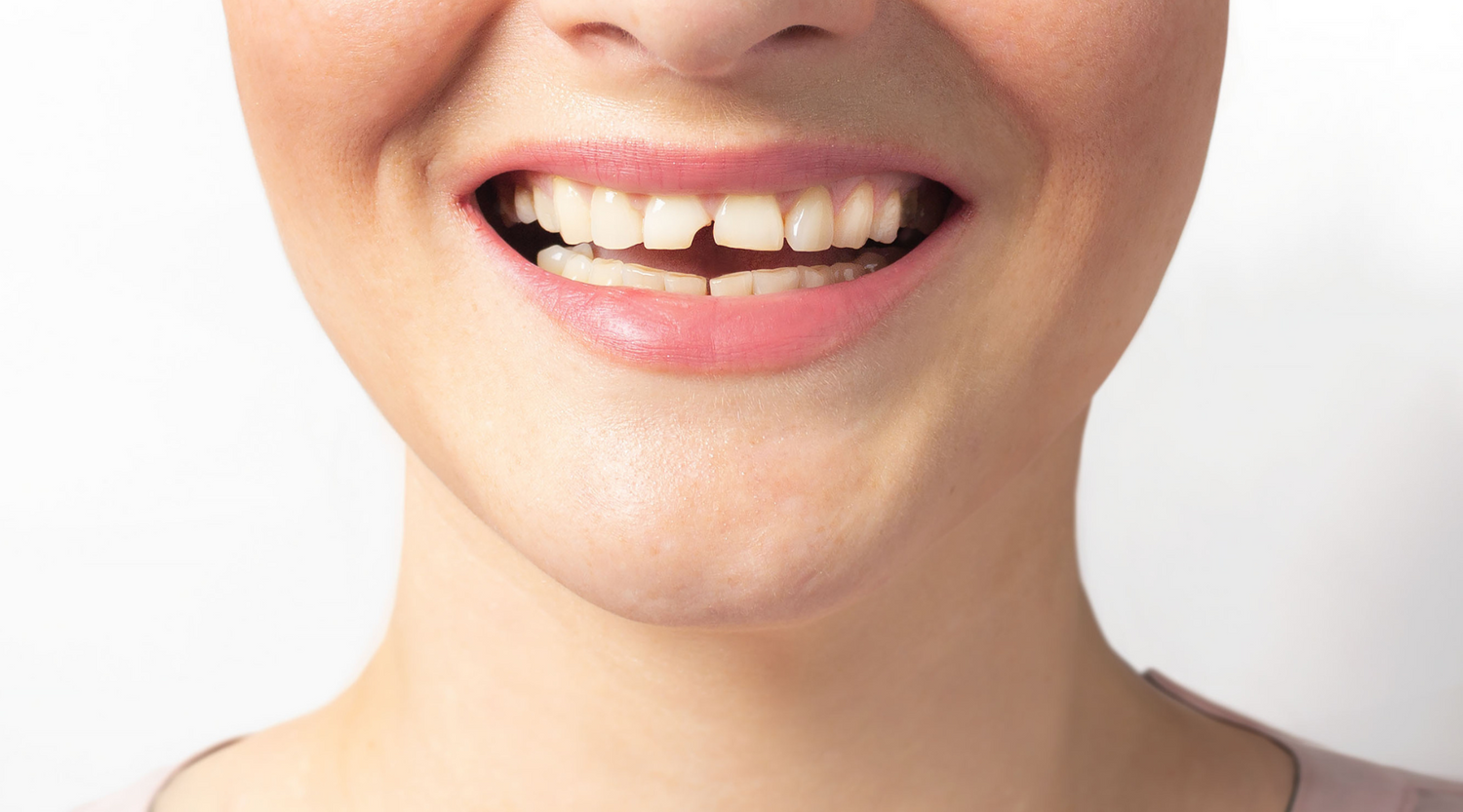
A moment of inattention, a fall while jogging, a tackle on the soccer field, or simply biting on a hard cherry pit - and suddenly it's there: the shock moment when a tooth splinters or breaks off completely. Besides the pain, it is often the look in the mirror that causes panic. A broken tooth is not only a functional problem, but for many also an aesthetic nightmare.
But as dramatic as the situation may seem - with the right first aid, an astonishing amount can often be saved. The important thing now is: stay calm and act quickly. Because the faster you react, the better the chances that your tooth can be successfully reinserted.
Your 5-point emergency plan - step by step:
-
Find the tooth or fragment:
Carefully search for the broken piece - and if possible, only touch it by the crown, i.e., the upper visible part. The root must under no circumstances be touched, as it is extremely sensitive and contains important cell structures. -
Do not clean, do not scrub:
Even if it seems tempting to clean the piece under running water - please don't! Saliva contains natural protective substances that prevent the tooth from drying out. Wiping with tissues or cloths can further damage the root. -
Store moist - the most important point:
Proper storage often determines the success of treatment. An optimal option is a so-called tooth rescue box, which you can get at the pharmacy. Alternatively, cold UHT milk also works, or if necessary, saliva (e.g., placed between the cheek and gum). Please never store dry or in water - this damages the cell structure of the tooth root. -
Stop bleeding:
For an open wound, gentle pressure with a clean gauze pad, compress, or clean cloth handkerchief helps. Rinse the mouth with lukewarm water to remove blood residues - and avoid disinfectant solutions. -
Seek dental treatment as quickly as possible:
Ideally within the first 30 to 60 minutes. The faster the tooth is reimplanted, the higher the chance of saving it permanently. Call the emergency number of your dental practice or the nearest dental clinic directly.
Extra tip:
Anyone who is physically active - whether in a club, at the gym, or during contact sports - should consider carrying a small tooth rescue box in their sports bag. It's no bigger than an eye drop bottle, weighs almost nothing - and can make all the difference in an emergency. It's also ideal equipment for parents of active children to have in their backpack or glove compartment.
If a filling falls out - what to do with a lost inlay or amalgam filling?
A brief moment of inattention while chewing - and suddenly you feel it: a piece is gone. Whether it's a cavity filling, an inlay, or a partial crown - a lost dental element is rarely a medical emergency, but it still requires careful action. This is because the sensitive inner tooth is now unprotected and susceptible to bacteria, cold, or pressure.
This means: The faster and more targeted your reaction, the better you can avoid consequential damage.
What you should do now:
- Secure the fallen out part - if you find it, keep it dry and clean. In some cases, it can be reinserted.
- Protect the affected tooth - if possible, cover the hole with sugar-free chewing gum or temporary dental filling material from the pharmacy. This at least keeps food particles away.
- Be careful with food and drink - now avoid anything hot, cold, sweet, or sticky. The tooth is sensitive - any additional irritation can cause pain.
- Under no circumstances scrub with a hard toothbrush - mechanical pressure on the defective tooth can further destabilize it.
Especially in this situation, a particularly gentle, movement-free cleaning is crucial. The emmi-dent Slim cleans without rubbing - only with real ultrasound. This gently frees the affected tooth from bacteria and plaque without putting additional strain on the tooth tissue.
Conclusion:
With the right first-aid measure and gentle, careful dental care, the time until the dentist's appointment can be bridged well - and your tooth remains optimally protected.
When dentures press - gentle help for uncomfortable pressure points
The moment when a new prosthesis, crown, or bridge is finally inserted is a step towards a better quality of life for many. However, especially in the first few days after insertion, uncomfortable pressure points can occur. This is not uncommon - especially if the denture is not yet fully adjusted or is being used again after a long break.
The sensitive oral mucous membrane reacts quickly to minimal friction. Even the smallest fit errors or localized pressure can lead to painful irritations that are noticeable when chewing, speaking, or even at rest.
What can you do now to provide relief and prevent consequential damage?
- Remove dentures regularly and clean thoroughly to prevent germ growth and additional irritation.
- Rinse pressure points carefully with chamomile or sage tea - this soothes the tissue and has an anti-inflammatory effect.
- Do not use adhesive creams as gap fillers! While they can provide short-term stability, they mask the cause and delay the necessary adjustment.
- Schedule an appointment with the dentist or dental technician to have the fit checked and corrected.
- Eat tooth-friendly: During this phase, avoid hot, cold, spicy, or sticky foods that put additional strain on the irritated tissue.
Particularly important now is thorough, yet gentle oral hygiene - because inflamed areas are more susceptible to bacterial colonization. Conventional brushing with pressure and movement can further irritate these sensitive areas.
An emmi-dent ultrasonic toothbrush offers a decisive advantage here: thanks to its contactless ultrasonic technology, it cleans without mechanical friction. You don't have to scrub or press - the ultrasound reaches even hard-to-reach areas and cleans them thoroughly and pain-free.
Especially with new prostheses or temporary pressure points, this technology protects your mucous membranes, prevents inflammation, and supports natural healing.
Bleeding gums - harmless or a serious warning sign?
A drop of blood when spitting, slightly reddened gums after brushing - many people experience these situations and initially pay little attention to them. However, sudden or regularly recurring gum bleeding is often more than just a harmless side effect. It can be the first indication of beginning inflammation, mechanical injury, or even periodontal disease.
In such cases, it is important to react sensitively - and not to brush "harder" in the hope that the problem can be "scrubbed away". On the contrary: Aggressive brushing can worsen the irritation and open up small wounds further.
What really helps now:
- Gentle rinsing with anti-inflammatory solutions such as sage tea or lukewarm salt water
- Avoiding hard toothbrushes or rotating systems that further strain the sensitive tissue
- Switching to a particularly gentle, motion-free tooth cleaning with real ultrasonic technology, as offered by the emmi-dent Slim
- Scheduling a check-up appointment with the dentist to clarify the cause medically
Because: If bleeding is ignored, a slight irritation can quickly develop into serious gingivitis or periodontitis. In the latter case, not only the gums but also the periodontium are affected - with deep gum pockets, tissue recession, and ultimately even threatening tooth loss.
Early detection and prevention are key here. And that is precisely why gentle, daily dental care - as enabled by the emmi-dent Slim - is one of the most important measures to keep gums healthy in the long term.
Travel & Dental Emergencies - what belongs in your dental kit?
Holiday planned? Then your toiletry bag should not only contain your toothbrush, but also a small dental emergency kit.
Recommended contents:
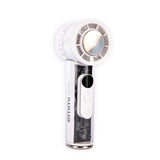
- emmi-dent Slim + USB charging cable
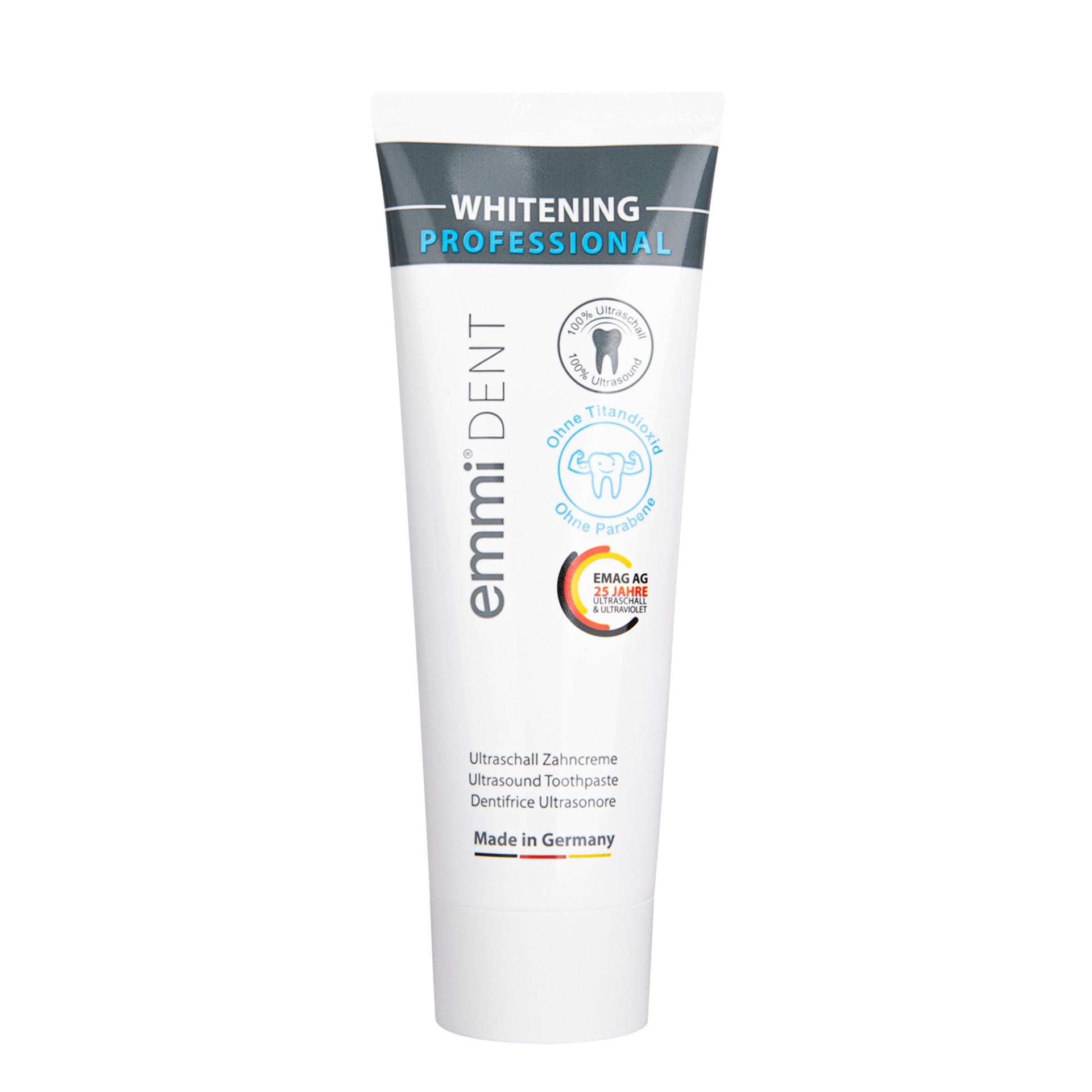
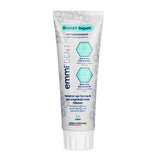
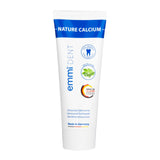
- emmi-dent ultrasonic toothpaste
- Tooth rescue box or sterile mini-container
- Sage tea, pain gel, small gauze pads
- Emergency number of your health insurance or dental practice
Especially when traveling, the virtually contactless cleaning with ultrasound is a real advantage - no mechanical friction, no unnecessary irritation from unfamiliar foods or climate influences.
Whether it's sudden toothache, a broken tooth, or a lost filling - knowing what to do allows you to react quickly and correctly. But it's even better to prevent such situations from arising in the first place.