






In modern dentistry, there is a wide range of solutions to replace lost or damaged teeth. Dentures play a crucial role, not only in improving functionality for chewing and speaking, but also in restoring the aesthetic appearance of the smile. Whether caused by an accident, illness, or natural wear and tear – tooth loss can have a significant impact on quality of life.
This is where dentures come in, which are so diverse that there is a suitable option for almost every need and budget. From fixed bridges and crowns to removable dentures and state-of-the-art dental implants – each variant has its specific advantages and areas of application. In this article, we will present the different types of dentures in detail and help you find the best option for your individual needs.
Key facts summarized in advance:
- Crowns: Ideal for restoring damaged teeth. They protect and strengthen the tooth structure. Disadvantage: Grinding down the natural tooth is necessary, which can lead to tooth loss.
- Bridges: A cost-effective solution for missing teeth, supported by adjacent teeth. Disadvantage: The preparation of neighboring teeth can weaken them.
- Implants: Offer a permanent and stable solution that best mimics natural teeth. They prevent bone loss. Disadvantage: Higher costs and a longer treatment period must be considered.
- Veneers: Perfect for aesthetic improvements, as they correct the color and shape of teeth. Disadvantage: The process is irreversible and can weaken natural teeth.
- Dentures: Flexibly available as partial or full dentures to replace multiple teeth. Advantageous due to their cost-effectiveness. Disadvantage: They can impair comfort and chewing ability and require adjustments.
Each of these options has specific advantages that make them suitable for different dental needs. The choice of the right denture should always be made in consultation with a qualified dentist to ensure the best fit and functionality.
Types of Dentures
When it comes to replacing lost or damaged teeth, many different types of dentures are available to you. Each option has specific characteristics that make it suitable for different needs and situations. In this first section, we will give you an overview of the most common forms of dentures, from fixed solutions like crowns and bridges to removable dentures. Whether you are looking for a permanent solution or a flexible option that you can manage yourself, there are suitable options for everyone.
Crowns: Protection for damaged teeth
Dentures in the form of crowns play a crucial role in dentistry, especially when it comes to effectively restoring damaged or decayed teeth. A crown is essentially a cap that is custom-made to completely cover a tooth. It not only restores the shape, size, and strength of the original tooth, but also protects the underlying tooth from further damage.
Crowns can be made from various materials, depending on the patient's needs and preferences:
- Porcelain: Aesthetically pleasing and color-matched to natural teeth, ideal for visible areas.
- Metal: Extremely durable and resistant, often used for molars.
- Ceramic-metal combinations: Offer both aesthetics and stability.
Advantages
- Durability: Crowns offer a permanent solution and often last for many years, even under the stresses of daily chewing.
- Aesthetics and function: They not only improve the appearance of a damaged tooth, but also its functionality, especially when chewing and speaking.
Disadvantages
- Tooth preparation: For a crown to fit, the natural tooth often needs to be significantly ground down, which is irreversible.
- Costs: High-quality materials and the complexity of fitting can increase costs.
Crowns are an excellent choice for the long-term preservation of your dental health and aesthetics. They offer robust protection and help maintain the structure of the rest of your dentition by preventing further damage from spreading. Whether for purely functional reasons or to improve your smile, crowns are an investment in your health and self-confidence.
Bridges: The solution for gaps
When it comes to closing gaps caused by missing teeth, bridges offer a proven and effective solution. These dental devices consist of one or more artificial teeth supported by crowns that are attached to the adjacent natural teeth.
Bridges can be made from a variety of materials, including porcelain, ceramics, and metals, which are often used to achieve optimal aesthetics and functionality. The artificial teeth, also called pontics, are firmly connected to the supporting crowns, which are placed over the adjacent teeth.
Advantages
- Cost-efficiency: Compared to implants, bridges are often more cost-effective and require less time for treatment.
- Less invasive: The procedure is less invasive than placing implants, as no surgical intervention on the bone is necessary.
- Aesthetic and functional improvements: Bridges not only restore full functionality for chewing and speaking, but also improve the appearance of your smile.
Disadvantages
- Adjustment of adjacent teeth: For the installation of a bridge, the adjacent teeth must be ground down to create space for the crowns. This process can lead to a permanent loss of tooth substance.
- Maintenance requirements: Bridges require careful hygiene practices to prevent the formation of plaque under the bridge and on the anchor teeth, which can otherwise lead to tooth decay and gum disease.
Bridges are a proven method to restore the aesthetics and function of your dentition after tooth loss. They offer a fast and cost-effective way to complete your smile and improve your quality of life. However, it is important that you practice regular dental check-ups and good oral hygiene, for example with our emmi-dent ultrasonic toothbrush, to maximize the lifespan of your bridge and maintain the health of your entire mouth.
Implants: The Sound Choice for a Long-Term Tooth Replacement Solution
Dental implants set a standard for permanent tooth replacement and represent one of the most advanced solutions in modern dentistry. In this procedure, a titanium post is surgically inserted into your jawbone, acting as a new tooth root. On this post, crowns, bridges, or even full dentures can then be attached to replace one or more missing teeth.
The implant itself is made of titanium, a material valued for its biocompatibility and ability to integrate with bone (osseointegration). This integration forms a strong and stable base for the tooth replacement.
Advantages
- Stability and comfort: Implants offer almost natural stability and comfort because they are firmly anchored in the jaw.
- Bone preservation: Unlike other tooth replacement options, implants stimulate the jawbone and help prevent bone loss that can occur after tooth loss.
- Longevity: With proper care, implants can last a lifetime.
- Aesthetics: They offer a natural appearance and can be customized to blend seamlessly with your smile.
Disadvantages
- Surgical procedure: Placing an implant is a surgical process performed under local anesthesia or sedation.
- Cost: Implants are often more expensive than other types of tooth replacement. The higher cost reflects the complexity of the procedure and the long-term benefits.
- Healing time: Osseointegration can take several months, during which you may need to wear temporary prostheses.
Implants are an excellent choice for many people looking for a permanent and stable tooth replacement. While they require a greater initial investment, both financially and in terms of healing time, they offer long-term benefits that can significantly improve quality of life. If you have the opportunity to choose this option, you can look forward to a solution that is worthwhile.
Veneers: A flawless smile in no time
Veneers are thin, custom-made coverings made of porcelain or composite material that are permanently bonded to the front surface of the teeth. They are a popular choice for anyone who wants to quickly and effectively improve the appearance of their teeth.
Veneers are individually crafted to perfectly match the shape and color of your teeth. Porcelain is particularly popular because it has translucent properties similar to natural teeth, ensuring a particularly natural appearance. Composite materials offer a more cost-effective alternative and can often be adjusted in just one session.
Advantages
- Aesthetic improvement: Veneers are ideal for correcting a variety of cosmetic issues, including discoloration, small gaps, minor misalignments, or chipped corners.
- Fast results: The placement of veneers can often be completed in just a few appointments, making them a quick solution for immediately visible results.
- Preservation of tooth structure: Compared to crowns, which require significant grinding of the natural tooth, veneers usually require only minimal intervention.
Disadvantages
- Irreversibility: Once placed, veneers cannot be easily removed, as the process involves grinding down the natural teeth.
- Durability: Although durable, veneers may need to be replaced after a few years, especially if they are made of composite materials.
- Cost: Porcelain veneers can be expensive, especially if multiple teeth are treated.
Veneers offer a fantastic way to quickly and effectively transform the appearance of your smile. They require careful maintenance, similar to your natural teeth, to preserve their beauty long-term. If you are considering veneers, discuss the options and expected results thoroughly with your dentist to ensure they are the best solution for your specific needs.
Dentures: Flexible Solutions for Tooth Replacement
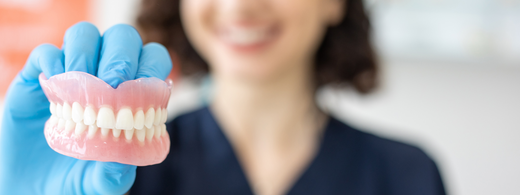
Dentures, commonly known as false teeth, offer a versatile and accessible method for replacing lost teeth. They are available in various forms, including partial dentures, which replace some teeth, and full dentures, which are used when there is a complete loss of natural teeth.
Dentures are made from a combination of acrylic (for the base) and special dental resins or porcelain (for the teeth). The base of the denture is designed to match the color of the gums, providing a natural appearance.
Advantages
- Cost-effectiveness: Dentures are more financially accessible compared to other tooth replacement options such as implants or bridges.
- Non-surgical: The fitting of dentures does not require surgical procedures, making them a good option for patients who want to avoid surgery or have medical concerns about invasive procedures.
- Quick fabrication and adjustment: In many cases, dentures can be made and adjusted relatively quickly, allowing for rapid solutions in case of tooth loss.
Disadvantages
- Regular adjustments needed: As the jawbone can change over time, regular adjustments are necessary to ensure that the dentures fit correctly and remain comfortable.
- Impairment of chewing and speaking function: Especially new denture wearers may initially experience difficulties with speaking and chewing. These problems often improve with time and adaptation.
- Care and hygiene: Dentures require careful cleaning and maintenance to prevent the accumulation of bacteria and other problems such as bad breath and gum inflammation.
Dentures offer a practical and cost-effective solution for tooth replacement and can significantly contribute to improving the quality of life. Although they require regular care and possibly more frequent adjustments, they are a valuable option for many people looking for an affordable way to restore their dental function and smile.
The Optimal Choice for Dentures
The decision for the right denture is a personal choice that is strongly influenced by your individual needs, habits, and of course, your budget. Advanced solutions like implants offer long-term benefits and support the preservation of bone structure, while more traditional options like bridges and dentures remain widely used due to their cost-effectiveness and simpler application.
Close collaboration with your dentist is crucial to find the best solution for you. It's not just about closing a gap – choosing the right denture can significantly improve your quality of life and help maintain or restore your natural function and aesthetics.
Don't forget that the care of your dentures and regular dental check-ups are essential to extend their lifespan and to permanently benefit from good oral health. By investing in your dentures and taking careful care of them, you ensure a radiant smile and functional chewing ability for many years to come.