







Beautiful teeth are now a guarantee of success in many areas. While dental health was the focus in recent decades – even centuries – beautiful, evenly aligned, and dazzling white teeth now also play a role in private and professional life. As healthy and aesthetically pleasing teeth have taken on an important role in our daily lives, myths, well-intentioned advice, and folk wisdom aimed at preserving dental health and beauty are also increasing.
However, caution is advised in this area: some advice and folk wisdom turn out to be fatal and almost irreversible errors. In today's blog post, learn more about common misconceptions in the field of dental health and beauty.
Myths about daily tooth brushing and dental care
"Don't forget to brush your teeth after eating" – who doesn't know this saying? Of course, it is important to regularly care for and brush your teeth. However, twice a day is completely sufficient: in the morning after getting up and in the evening before going to bed. You should never brush your teeth immediately after eating. Especially after consuming sweet or acidic foods, you should allow your teeth a short recovery break.
Also, don't press too hard when brushing – this can also permanently damage your teeth. Aggressive brushing gradually wears away the protective tooth enamel. The gums are also unnecessarily stressed by this.
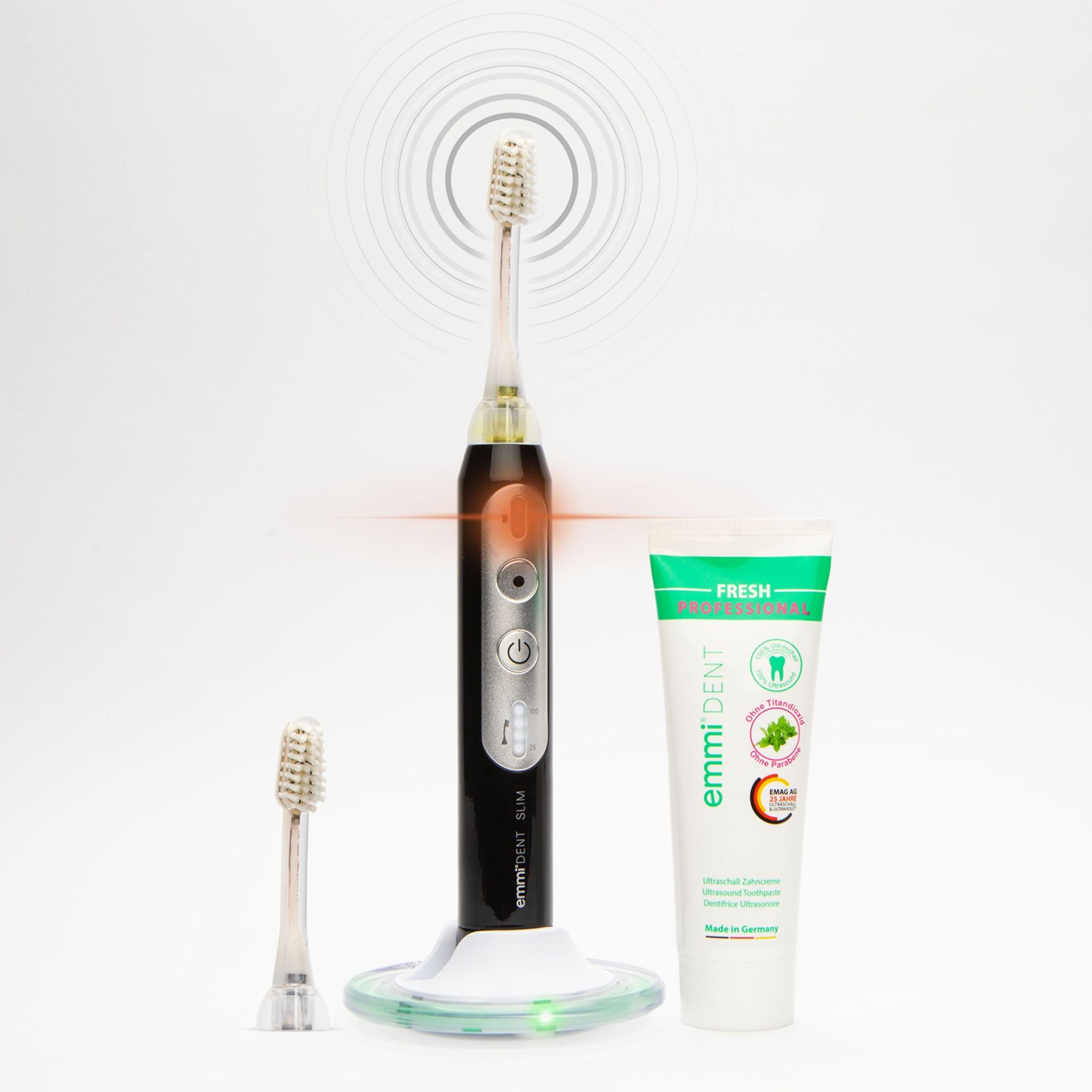
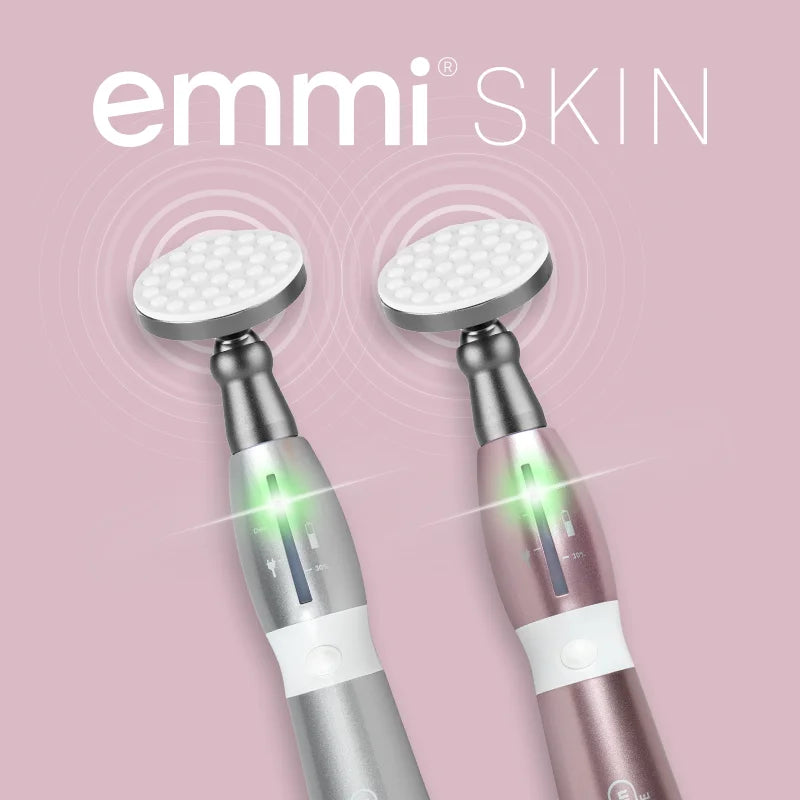
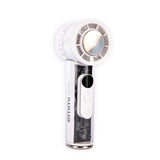
Even the well-known circular movements are not as effective when brushing as often assumed. Shaking and stroking movements clean the teeth much more thoroughly. By the way, bacteria in the interdental spaces can best be removed with an ultrasonic toothbrush. Germs can be removed easily and efficiently from the mouth without scrubbing or circular movements.
Myths and misconceptions about cavities and co.
"Sugar eats away your teeth" – you've certainly heard this statement before. While it is true that sugar harms teeth, it doesn't attack them directly. Rather, it is bacteria that feed on sugar and attack the tooth enamel through their breakdown products. When bacteria break down sugar, metabolic products are formed that can lead to cavities.
Another misconception is that cavities are solely dependent on sugar consumption. In reality, the duration for which sugar acts on the teeth plays a particularly important role. Soft drinks and sweets promote cavities particularly strongly, as their residues remain in the mouth for a long time.