







Microplastics, bone meal, and parabens – these are some of the ingredients you often encounter when reviewing the contents of various toothpastes. In today's blog post, we'll explain exactly what lies behind these ingredient declarations.
Toothpaste Ingredients: Deciphering INCI Codes
Ingredients must be declared uniformly across the EU. This also applies to ingredients in cosmetics and toothpaste. The basis for this are the International Nomenclature Cosmetic Ingredients (INCI codes). For the layperson, these designations are often not plausible or easily understood.
Toothpaste: Abrasives and Polishing Particles
The intensity of abrasives and polishing particles is determined by the RDA value (Relative Dentine Abrasion). You should definitely avoid any value above 80 – especially if you tend to have sensitive teeth or already have damaged teeth.
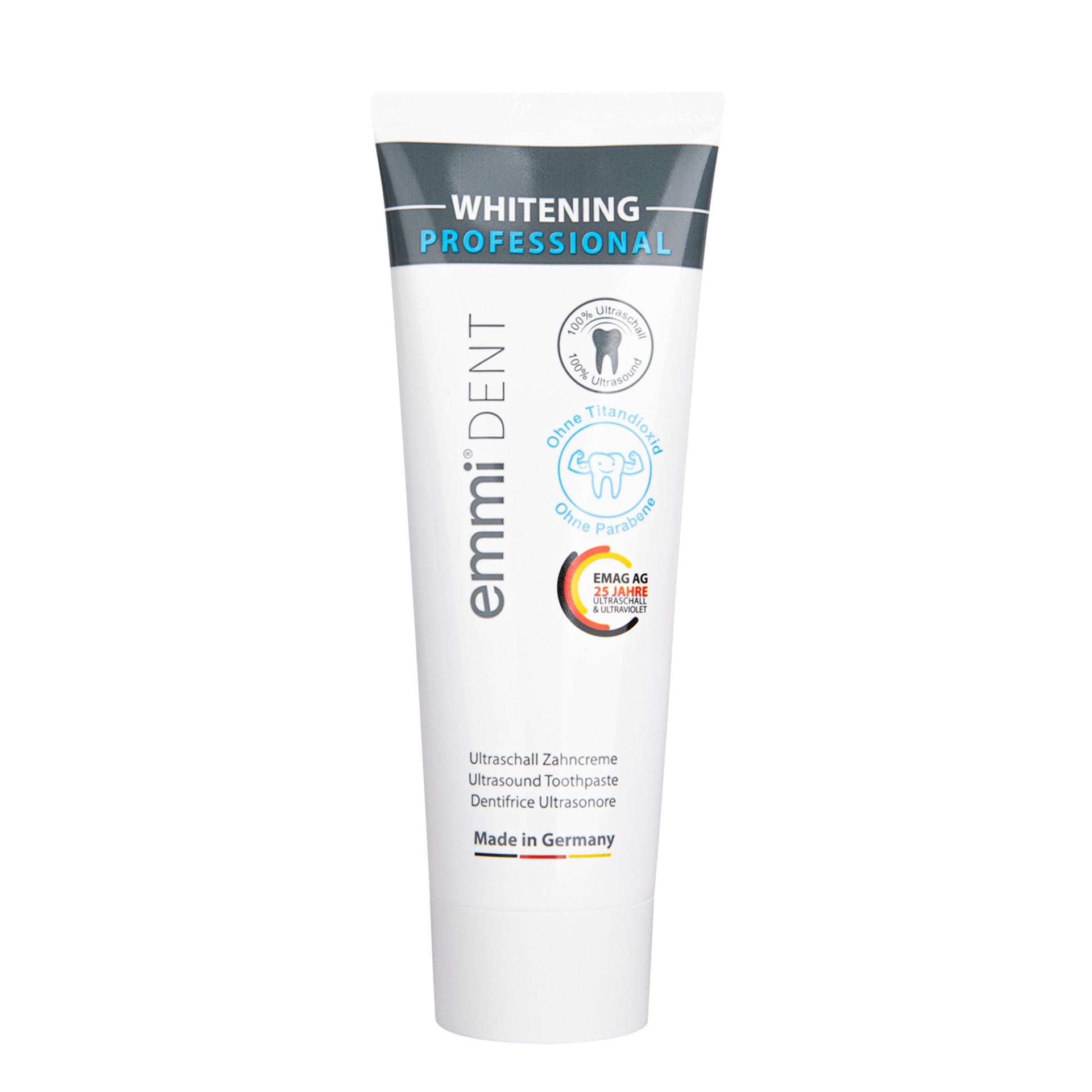
Toothpastes with a high RDA value often contain abrasives such as titanium dioxide and aluminum oxide. Much gentler pastes rely on silica (silicon dioxide) and chalk (calcium carbonate). For a long time, pastes with microplastic beads were also promoted as a gentle alternative. However, they are now considered questionable because microplastics can penetrate body tissue. Microplastics are hidden behind terms like polyethylene (PE) and polypropylene (PP).
Toothpaste: Surfactants and Foaming Agents
Surfactants and foaming agents are known as tensides. They loosen dental plaque and facilitate the removal of dirt. Tensides create the typical foam in toothpaste, which binds and carries away all detached substances.
Surfactants include sodium lauryl sulfate (SLS) and coco-betaine. Sodium lauryl sulfate has a mild antibacterial effect and is considered well-tolerated.
Toothpaste: Fluorides and Antibacterial Substances
Fluorides such as zinc fluoride or amine fluoride harden tooth enamel and protect teeth from acid attacks. They prevent cavities and appear in the ingredient list as Sodium Fluoride, Sodium Monofluorophosphate, or Olaflur. However, ensure that children's toothpaste, in particular, does not exceed a fluoride content of 500 ppm.
Antibacterial and anti-inflammatory substances prevent bacterial growth. Chlorhexidine, zinc compounds like zinc lactate and zinc chloride, and tin pyrophosphates have anti-inflammatory and antibacterial effects.

Toothpaste: Desensitizing and Preservative Substances
Desensitizing substances are often used in toothpaste for sensitive teeth. They alleviate discomfort by interrupting nerve signal transmission. Potassium nitrate, zinc carbonate hydroxylapatite, and strontium salts are particularly effective here.
Preservatives protect toothpaste from quality degradation and ensure a longer shelf life. Sorbic acid, benzyl alcohol, or parabens like propylparaben are common examples. Parabens are considered problematic because they are believed to have hormone-like effects. Benzyl alcohol and sorbic acid, on the other hand, are considered harmless.
Toothpaste: Humectants, Binders, and Thickeners
Humectants like glycerin or sorbitol prevent the toothpaste from drying out – even if the tube is not properly sealed. Binders and thickeners provide the gel-like consistency. Xanthan, carrageenan, or polyethylene glycols (PEGs) prevent water separation in the tube. PEGs are now viewed critically because they can make mucous membranes more permeable.
Toothpaste: Flavorings and Aromas
For many people, the taste of toothpaste is crucial. Therefore, many pastes contain flavorings and aromas. Sweeteners like sorbitol, saccharin, and xylitol, as well as various oils, provide freshness. Xylitol also has an antibacterial effect.
Choosing the Right Toothpaste
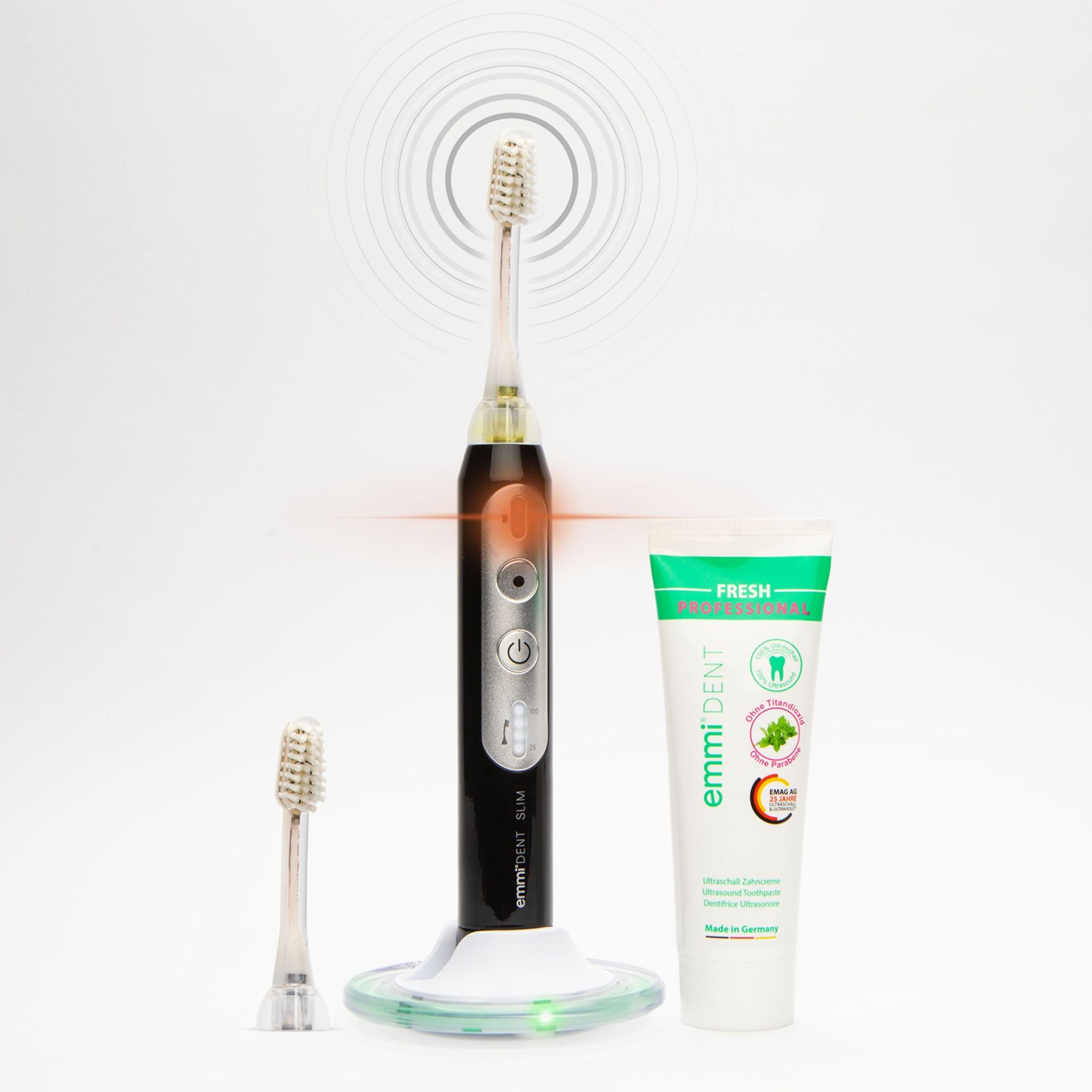
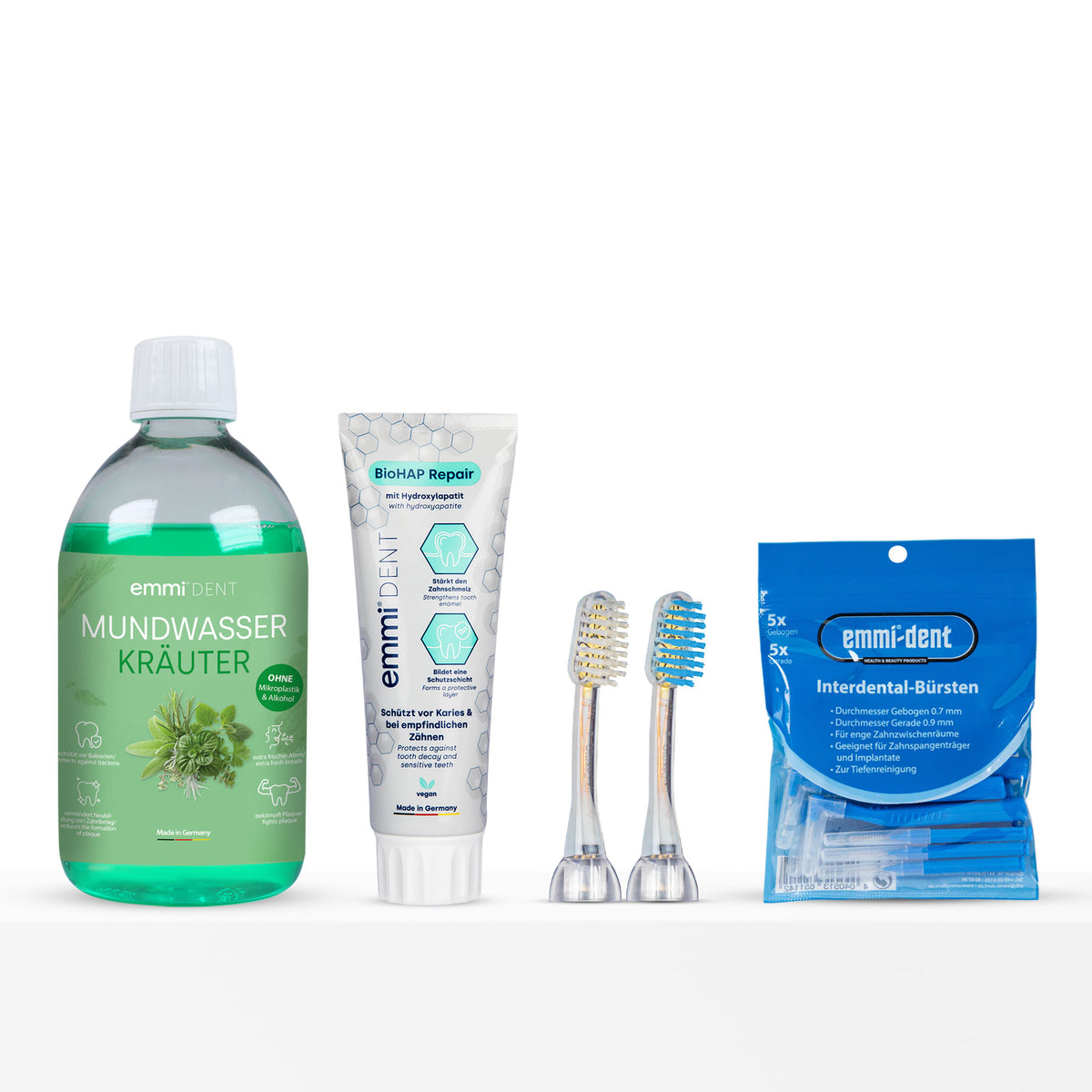
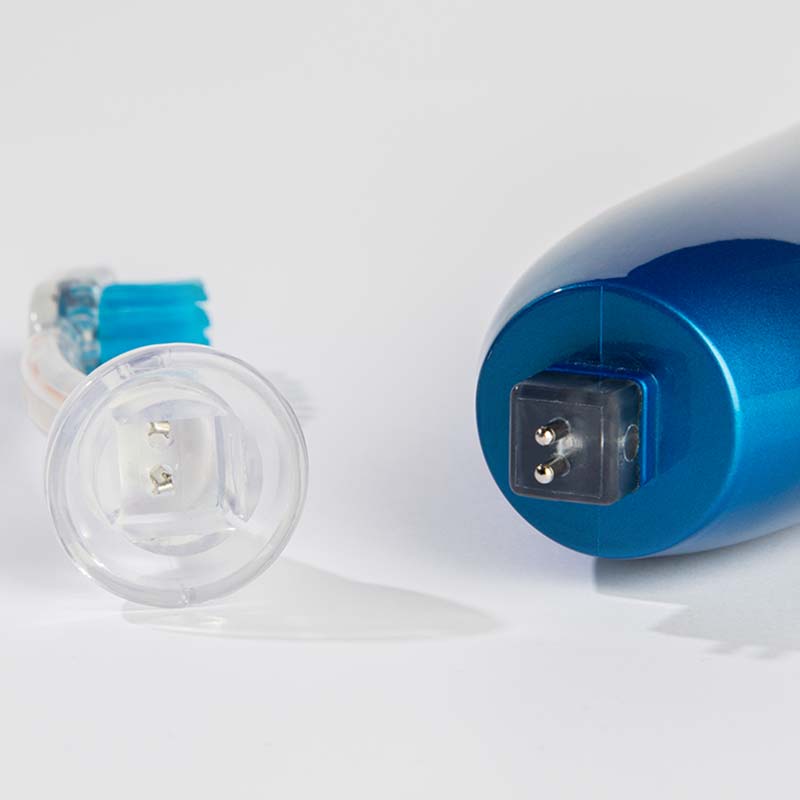
Choosing the right toothpaste is individual. However, proper dental care is more important than the ingredients alone. With our emmi®-dent ultrasonic toothbrush, you effectively care for and clean your teeth. Modern ultrasonic technology prevents plaque buildup and supports a healthy oral flora.