











Dentists recommend professional dental cleaning (PDC) at least once a year. This is partly to prevent cavities and partly to avoid dangerous gum inflammation. Professional dental cleaning is also recommended after periodontitis treatments to prevent recurring inflammation.
Thoroughly cleaning teeth primarily means professionally caring for teeth and gums. This includes removing bacterial plaque as well as caring for the gums. Bacteria and their metabolic products not only attack the teeth but also the sensitive periodontium. Gingivitis (gum inflammation) and periodontitis (inflammation of the periodontium) are frequently the result.
Plaque can often be located with the tongue. The tooth surface feels uneven, rough, or fuzzy. This plaque can be very effectively removed from the teeth and from the spaces between them through thorough cleaning and scrubbing. However, if the plaque has hardened, complete removal through simple dental cleaning becomes difficult. At this point, professional dental cleaning by the dentist is recommended.
The costs incurred for the removal of tartar are covered by statutory health insurance. For people with disabilities and those in need of care, statutory health insurance covers the treatment twice a year. In addition to tartar removal, dentists also offer professional dental cleaning. However, professional dental cleaning is not a standard service – the costs must be borne by the patient. Some health insurance companies subsidize this service as a preventive measure.
How does professional dental cleaning work?
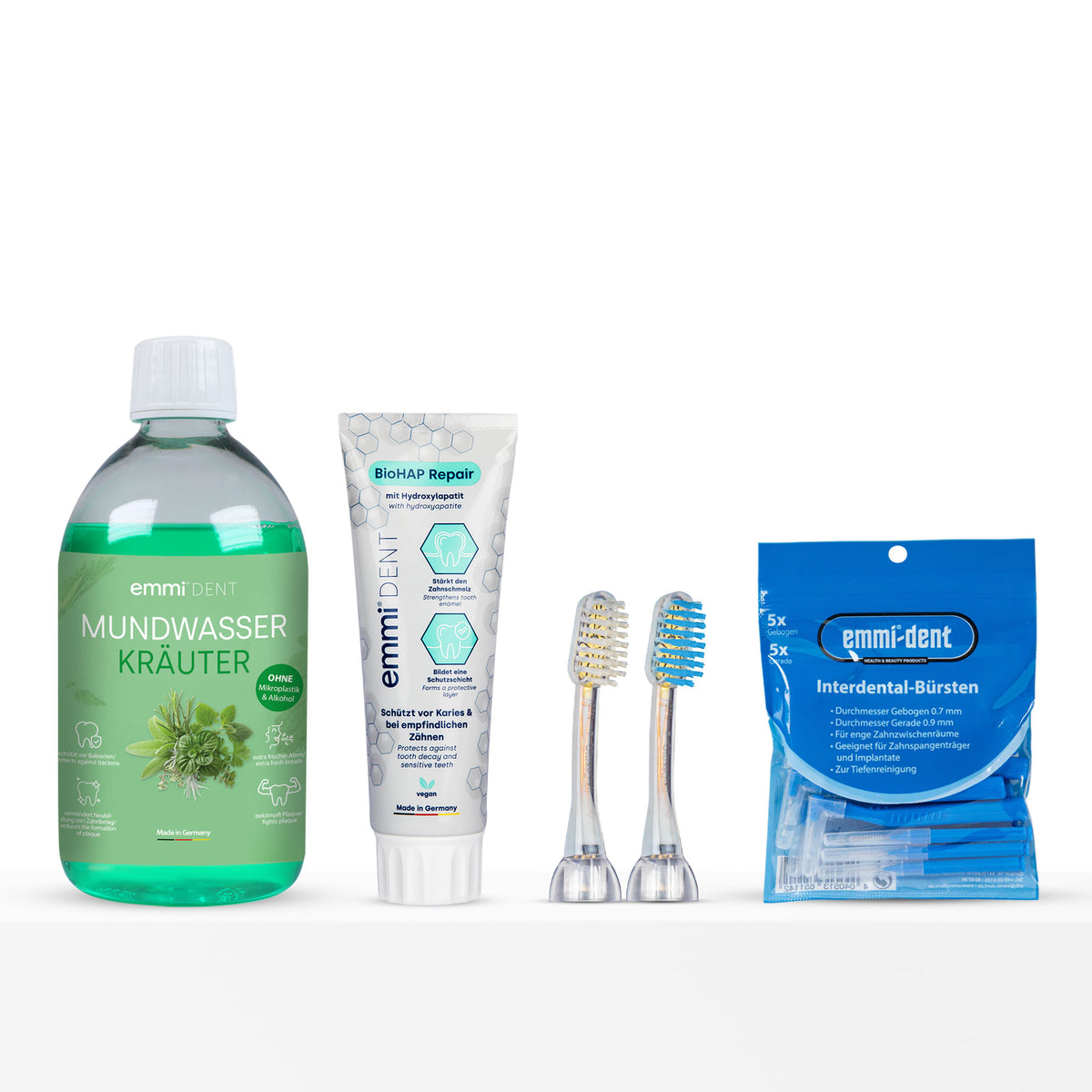
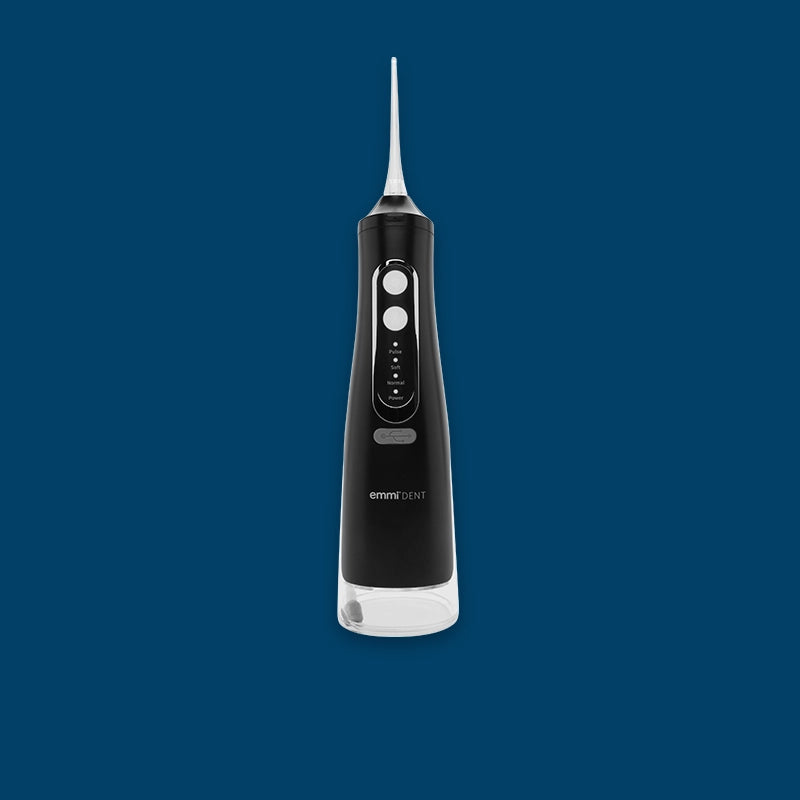
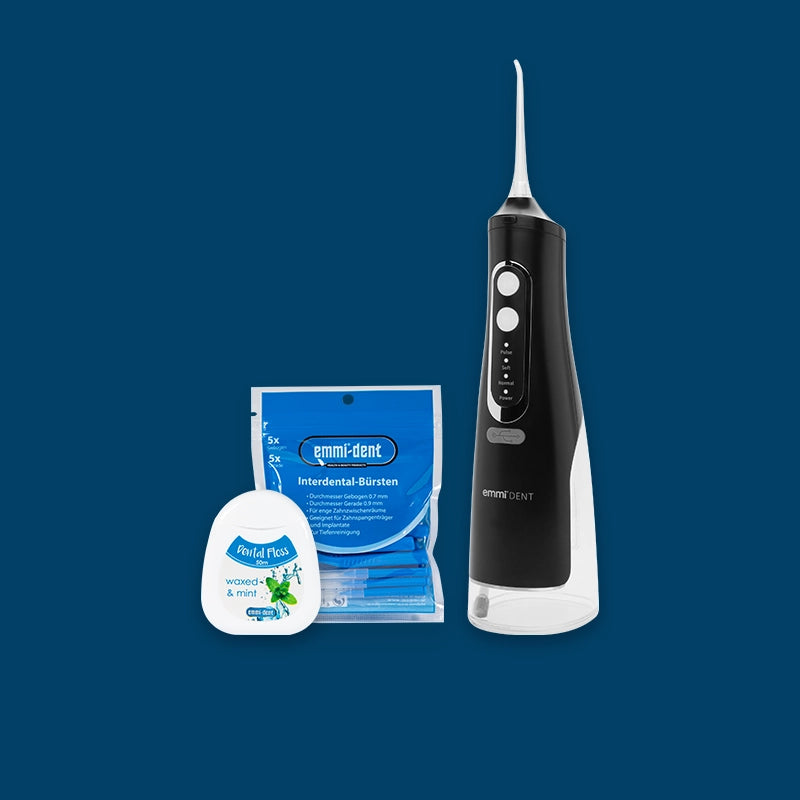
Professional dental cleaning involves several steps. It consists of cleaning, polishing, and fluoridation. First, all dental plaque is removed – usually very gently via ultrasound. Hard and soft deposits are softened by the dentist using state-of-the-art ultrasound technology. Areas that are difficult to access, between the teeth, and at the gum line are also cleaned. In addition to ultrasound technology, dental floss, sandpaper, and fine brushes are also used.
Once the cleaning is complete, the teeth are polished in the next step. A special paste is applied to the teeth for polishing. A rotating rubber or a rotating brush gently works the polishing paste into the teeth. Polishing smooths the surface of the teeth. This makes it harder for bacteria to adhere.
In the final step, a fluoride-containing gel or an appropriate varnish is applied to the teeth. This hardens the tooth enamel and effectively protects it from new deposits.
A professional dental cleaning can take up to an hour and is usually performed by a specially trained professional. In rare cases, the dentist performs the cleaning themselves. Professional dental cleaning with ultrasound is usually completely painless.
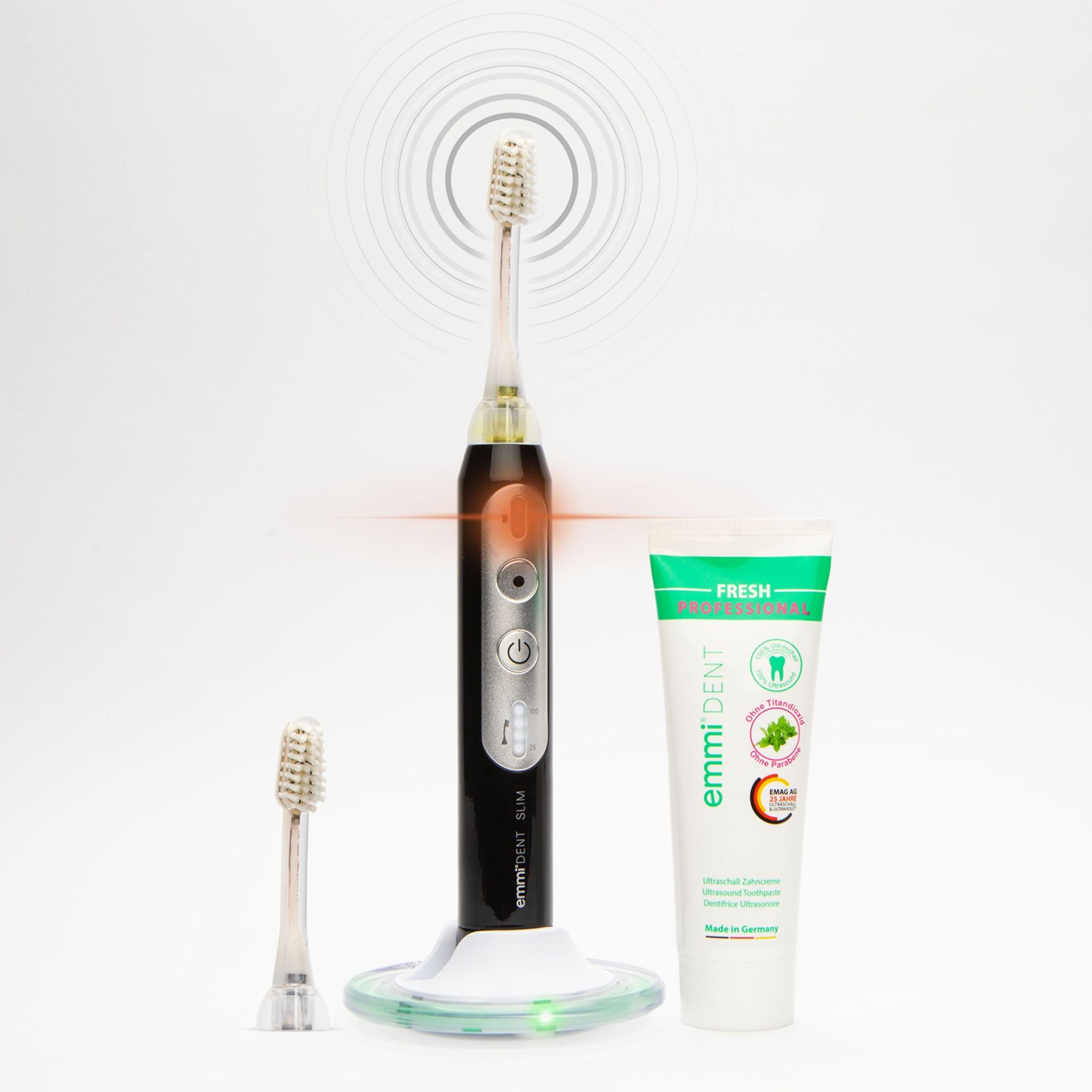
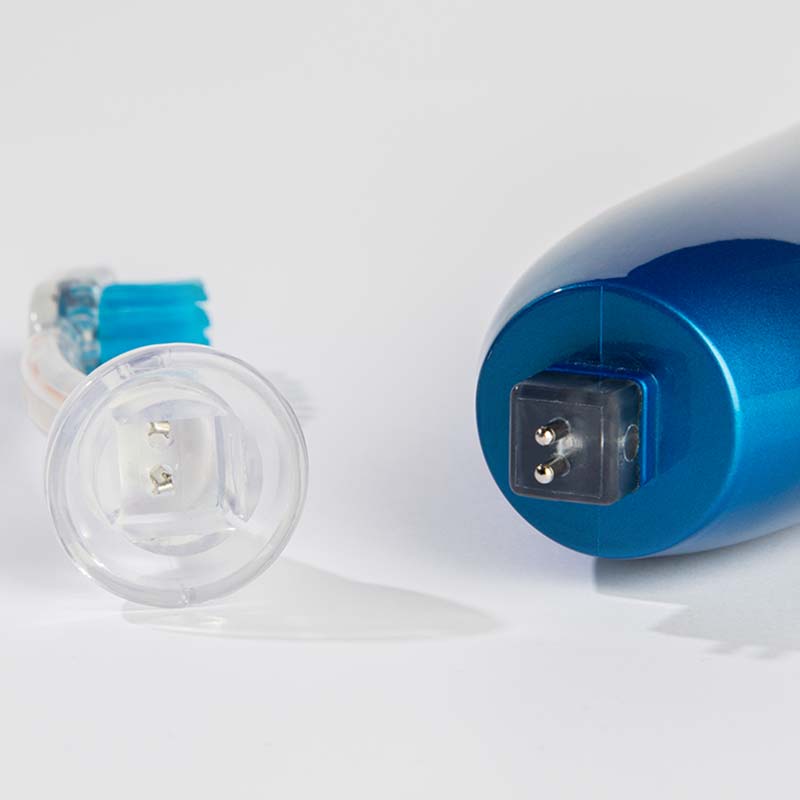
After a professional dental cleaning, it is recommended to follow up the treatment with an ultrasonic toothbrush to maintain the success of bright white and healthy teeth in the long term.
Periodontitis and professional dental cleaning
For the treatment of severe periodontitis, the removal of existing tartar is fundamentally important. Good oral hygiene is mandatory. This can minimize particularly severe inflammation. After treatment, professional dental cleaning should ensure that periodontitis does not flare up again. The use of an ultrasonic toothbrush is very effective in this case. Comprehensive support in the area of oral hygiene, dental care with an ultrasonic toothbrush ensures bacteria-free teeth and healthy gums.