






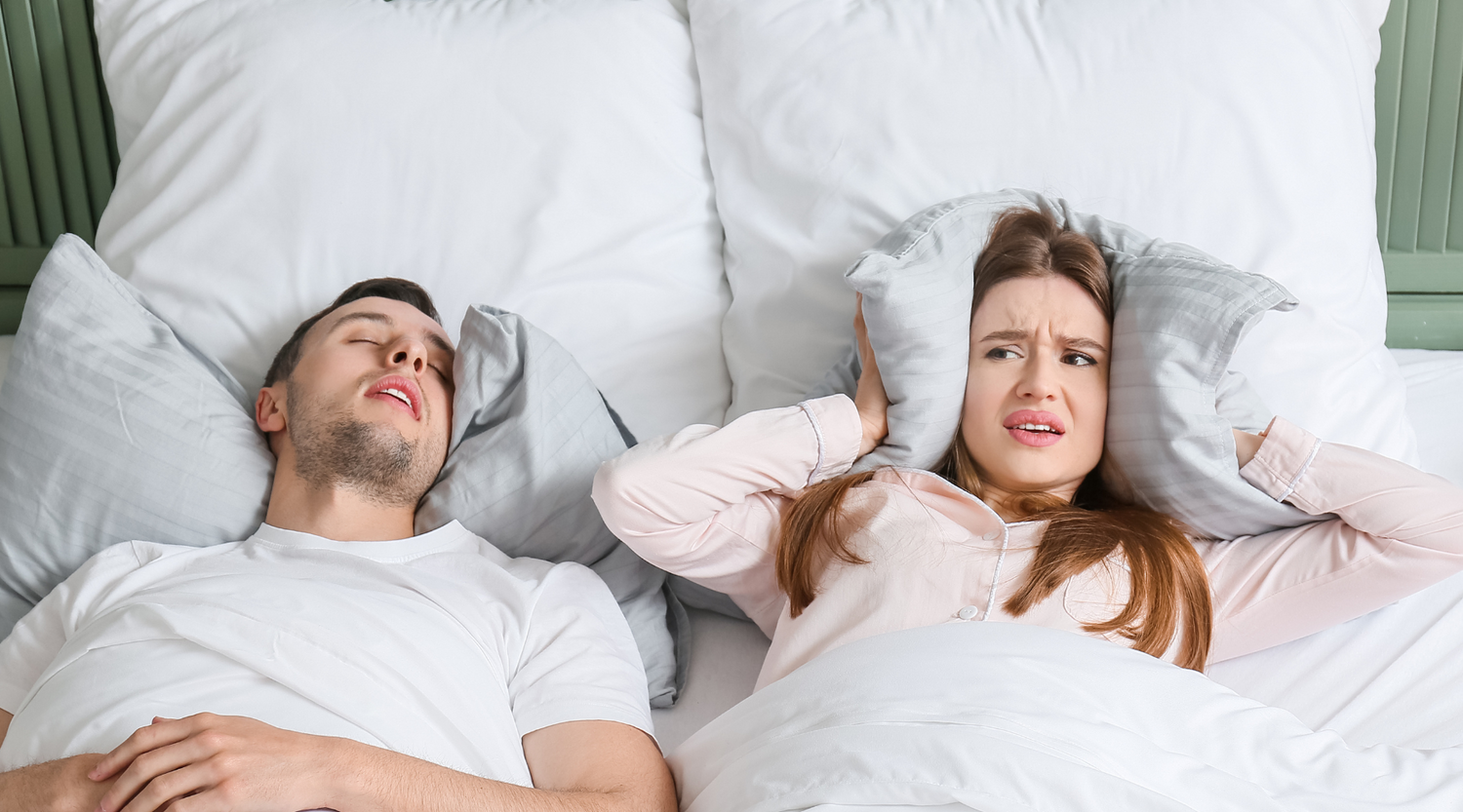
You’re probably familiar with the scene: one person snores, the other nudges them – and in the end, both start the day exhausted. What at first glance seems like a typical relationship cliché actually has a surprisingly lot to do with your oral health. Because snoring is more than just a nocturnal sound – it’s often an indication that something in your mouth and throat is out of balance. This is exactly where your daily dental care routine comes in.
What many don’t know: a healthy, well-maintained oral flora can influence how freely and undisturbed nocturnal breathing proceeds. Bacterial plaque, inflamed gums, or a dry mouth – all of these can intensify snoring. And that’s precisely why it’s worth looking at your toothbrush, oral irrigator, and co. not just in the morning, but also with a view to a quieter night.
In this article, we’ll take you on a different kind of journey – through airways, bacterial colonies, and the exciting connection between a fresh smile and restful sleep. Because sometimes, true regeneration doesn't begin in bed, but in the bathroom.
When the Sawmill Starts – What Happens During Snoring
As soon as you fall asleep, your body begins to prepare for regeneration – muscles relax, breathing and heart rate slow down, the organism settles down. The tongue and throat muscles also loosen up. This naturally narrows the upper airways. When air now flows through this narrower channel, the surrounding tissue can begin to vibrate – similar to a loudspeaker diaphragm that transmits fine vibrations.
If there is also mucus, a dry oral mucosa or a slight inflammation, the airflow becomes even more turbulent – snoring intensifies. What follows, you may know: a piercing, sometimes thundering sound that not only disturbs your partner's night's rest but can also impair your own health.
Because snoring is more than just an acoustic side issue. It is often accompanied by disturbed sleep architecture – you wake up more often, sleep shallower, don't wake up properly in the morning. The consequences are apparent during the day: fatigue, concentration problems, irritability. In short: your body doesn't recover as it should. And you feel it – night after night, day after day.
Dry Mouth – The Invisible Loudspeaker
Many people who snore sleep with their mouth open – often without realizing it. But this can be the beginning of a real vicious circle. By constantly keeping the mouth open, saliva evaporates faster than usual. The natural protective layer in the mouth, which normally keeps bacteria in check and keeps mucous membranes moist, breaks down – leaving a dried-out, unprotected oral cavity.
In this dry environment, bacteria find ideal conditions: they multiply rapidly, especially on the tongue, where plaque can spread explosively. This creates toxic metabolic products that irritate the sensitive mucous membranes in the throat. These irritations, in turn, lead to mild inflammation, cause the tissue to swell, and thus narrow the airways – which can further intensify snoring.
A cycle of dryness, bacterial overgrowth, irritation, and further noise is created – an interplay that not only disrupts sleep but can also burden oral health in the long term.
Bacteria, Sulphur Gases and Nocturnal Noise
Perhaps you’ve noticed: after a night of heavy snoring, your breath in the morning seems more intense, sometimes even unpleasant. This is no coincidence, but the result of an interplay of dry mouth, warm breath, and bacterial activity. Because: a dry mouth provides the ideal environment for so-called anaerobic bacteria – they love oxygen deprivation, warmth, and a little lack of saliva.
In this environment, they begin to decompose food residues – producing volatile sulfur compounds that not only smell unpleasant but also irritate the mucous membranes. The result is small, barely perceptible irritations and micro-edemas, especially in the soft palate – precisely the area that vibrates during snoring.
And so the circle closes: what begins with a harmless bad breath can even intensify the nocturnal snoring concert. Because the more irritated the tissue, the more pronounced the vibrations – and the louder the sound. Sulfur gases as silent amplifiers of an already disturbing phenomenon – another good argument for consistent oral care and conscious relaxation before going to bed.
Why Thorough But Gentle Oral Hygiene Makes Less Noise
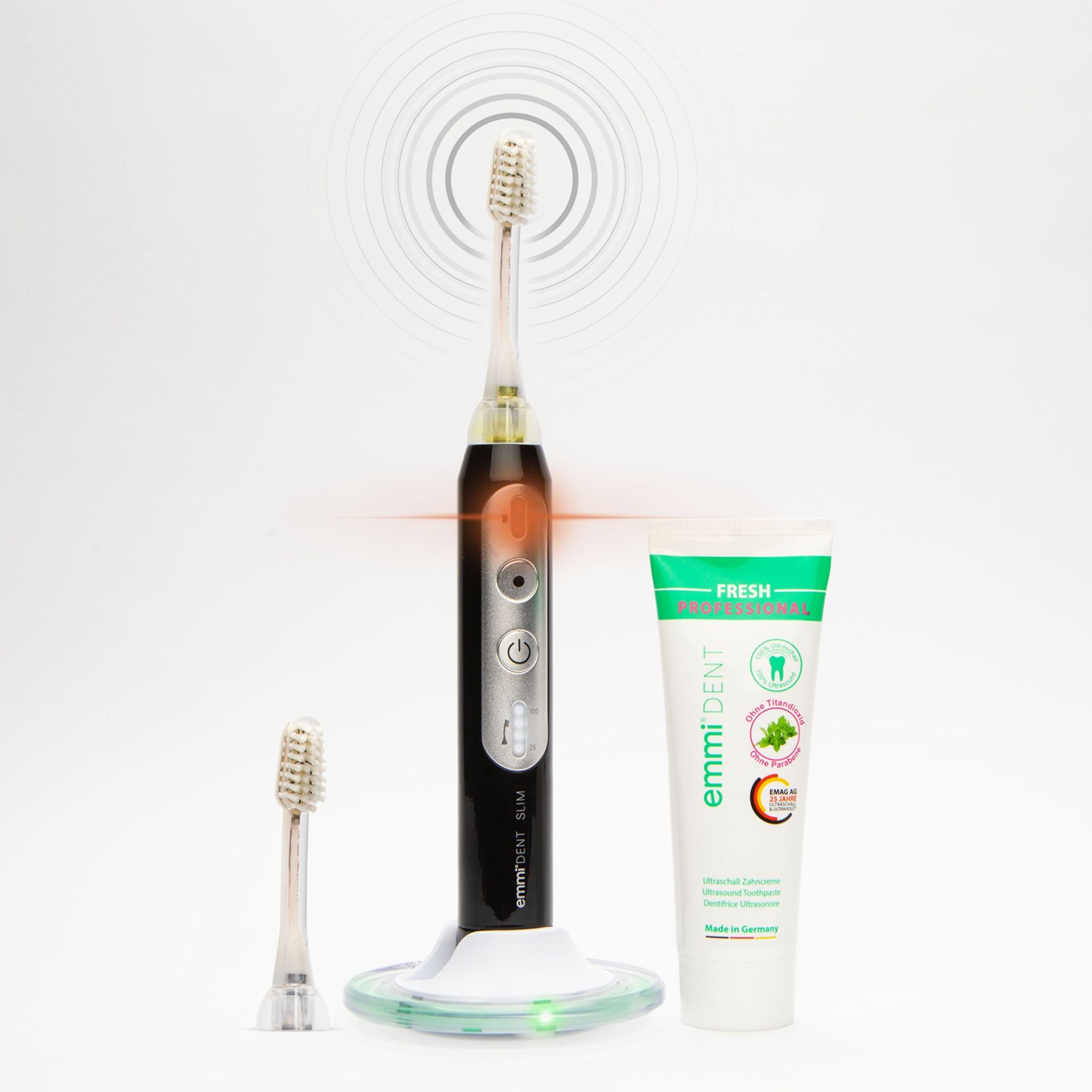
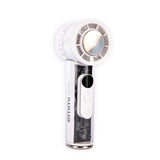
Of course, a toothbrush cannot tighten a soft palate – but it can certainly address where nocturnal breathing sounds originate: with bacteria. If you reach for the emmi-dent ultrasonic toothbrush before going to bed, you specifically deprive microorganisms of their livelihood. The ultrasonic technology works particularly gently: plaque is not mechanically scrubbed away, but dissolved by millions of microbubbles – without irritating or roughening the gums.
These bubbles penetrate deep into crevices, even into the fine crypts of the tongue papillae. This gives anaerobic germs – the main cause of sulphur gases, irritation and swelling – hardly a chance. The result: less inflammation, clearer airways, quieter airflow – and often a noticeably quieter, more relaxed sleep pattern.
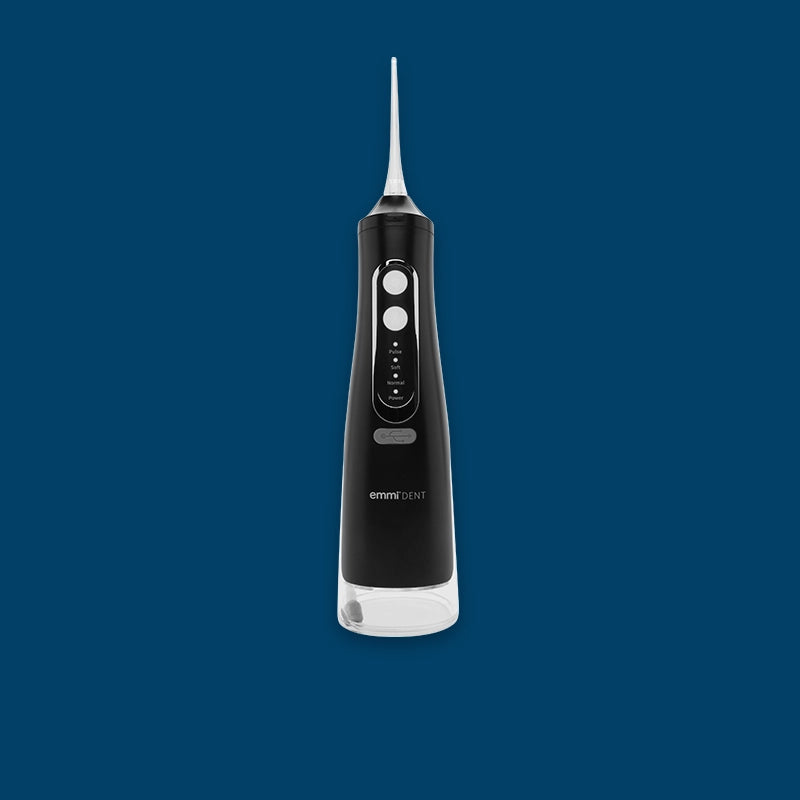
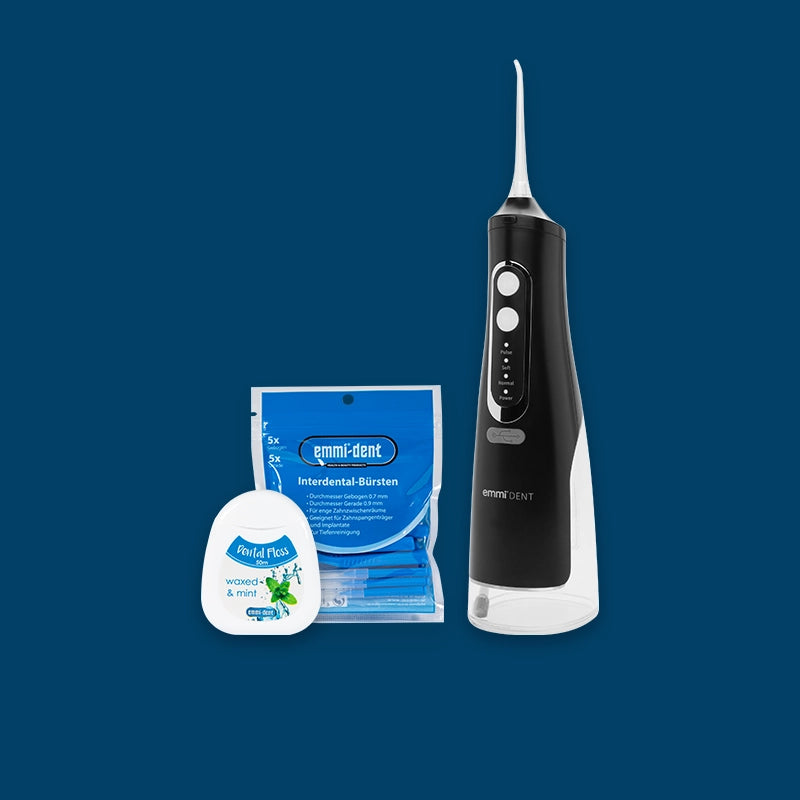
Afterwards, a gentle oral irrigator provides the final touch: it flushes the interdental spaces, removes remaining particles, and simultaneously moistens the mucous membranes. A small sip of water afterwards – and your mouth stays supple until you fall asleep. A simple routine with a surprisingly great effect.
Nightly Rituals for Quiet Airways
Imagine your bedroom as a kind of nocturnal wellness lounge – not just for you, but also for your throat and palate. Even a brief airing in the evening creates fresh, oxygen-rich air that soothes mucous membranes and relieves the airways. An ideal room temperature is around 18 degrees Celsius – cool enough to reduce swelling of the mucous membranes, but comfortable for falling asleep.
Avoid alcohol in the late evening hours: Even if it initially has a relaxing effect, it widens blood vessels and weakens muscles – which in turn can cause the soft palate to collapse more easily and obstruct airflow. A slightly elevated pillow that supports the head and neck also ensures that the tongue does not fall back into the throat – a small but effective trick for freer breathing at night.
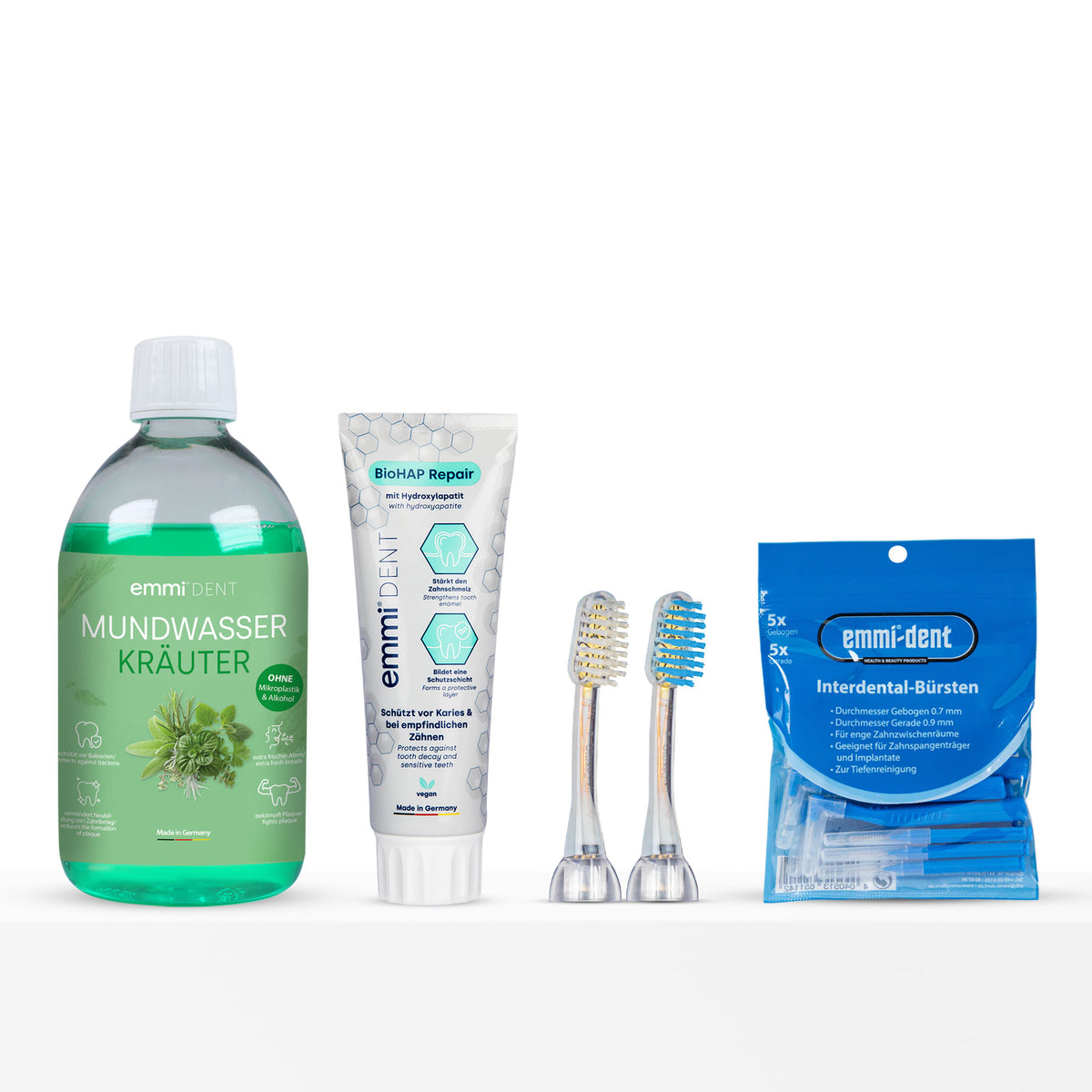
A true ritual for the last minute before going to bed: gentle gargling with a mild, alcohol-free mouthwash. It loosens plaque, moisturizes the mucous membranes, and creates a clean, fresh feeling throughout the mouth. At the same time, it makes it harder for bacteria to restart during the night – and gives you an extra boost of well-being that you'll feel until the next morning.
Scientific View: What Studies Reveal
A remarkable study by the University of Sydney in 2022 focused on the connection between oral health and nocturnal snoring: The researchers analyzed the oral flora of 120 heavy snorers – with a clear result. Compared to the control group, significantly more anaerobic bacteria, i.e. bacteria that thrive particularly well in oxygen-poor, inflammation-promoting environments, were found on the tongue base of these participants.
In addition, a research team from Helsinki published a parallel study with astonishing results: in subjects who consistently performed intensive oral hygiene for four weeks – consisting of twice-daily ultrasonic dental care and targeted tongue cleaning – the loudness of snoring was significantly reduced in over 60 percent of the participants. On average by up to 7 decibels – a value that is subjectively perceived as noticeably quieter.
The conclusion is as simple as it is impressive: Less bacteria, less inflammation, freer airflow. A healthy oral flora can therefore influence much more than just the risk of cavities – it even improves nocturnal breathing.
The Role of the Tongue – Underestimated, but Crucial
The tongue is a small marvel – but also a place where many unwanted guests gather unnoticed. Its surface resembles a fine micro-carpet with countless valleys and depressions where bacteria stubbornly attach themselves. If you don't clean it regularly, it becomes a silent breeding ground for germs that multiply there undisturbed.
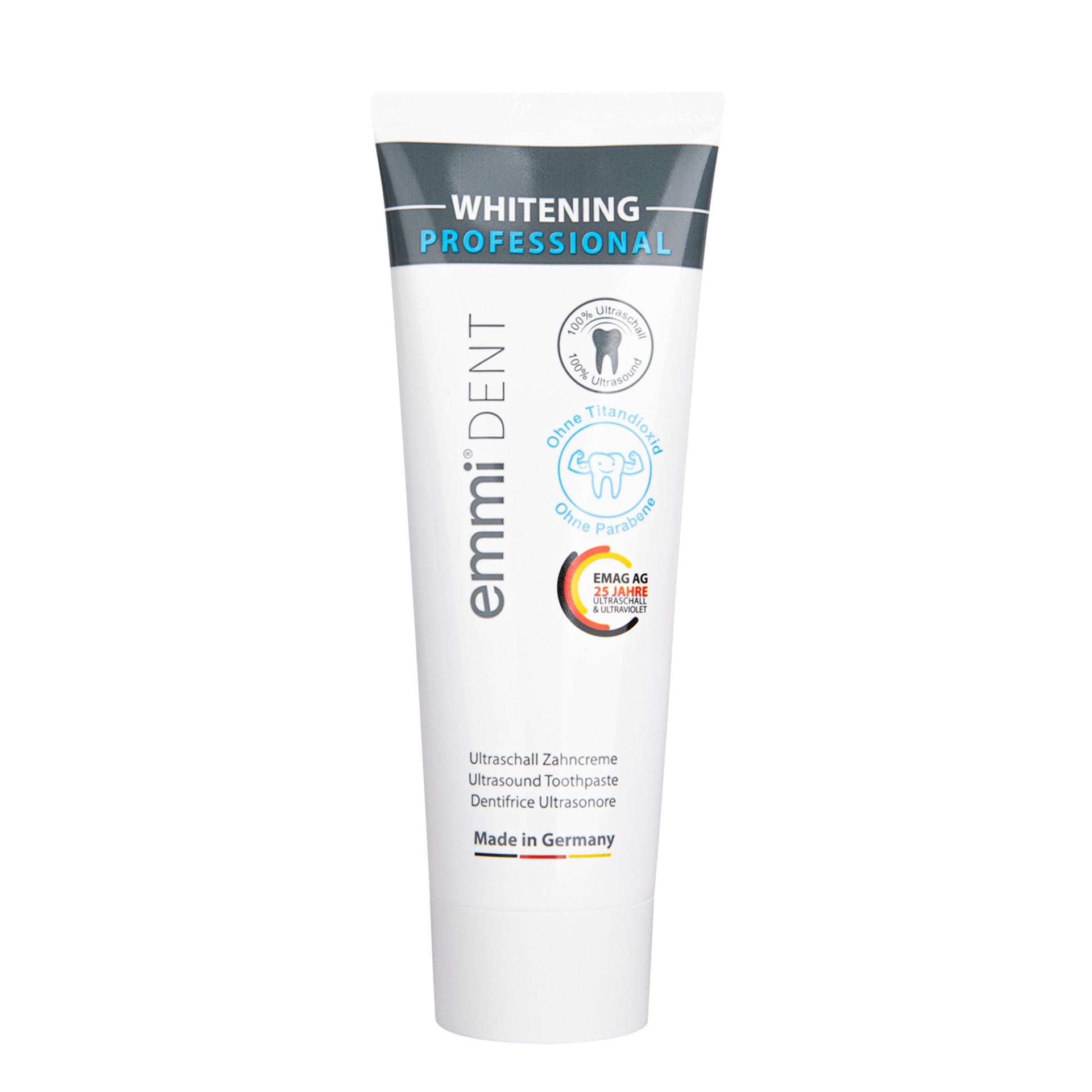
It doesn't take much to prevent exactly that. A soft silicone tongue brush is enough to gently loosen the coating without irritating the sensitive surface. It becomes even easier with emmi-dent toothpaste, which is enriched with millions of micro-bubbles: It forms a gentle film on the tongue, dissolves residues and simultaneously reduces odor-causing bacteria.
Particularly clever: the toothpaste contains xylitol – a natural sugar alcohol that not only inhibits caries but also reduces bacterial adhesion on the tongue. This means: less plaque, fewer sulfur gases, and thus less vibrating tissue – a noticeable difference for breath, freshness, and mouthfeel.
Sleep Apnea or "Just" Snoring?
Sometimes nocturnal teeth grinding or snoring is more than just a harmless side effect of sleep – it can be an indication of so-called sleep apnea syndrome. This involves repeated breathing pauses of more than ten seconds – unnoticed, but with consequences. If you wake up exhausted in the morning despite sufficient sleep, regularly suffer from headaches, or can hardly concentrate during the day, you should take these signals seriously. A clarification in a sleep laboratory provides certainty – and is the first step towards a better quality of life.
Even in this sensitive context, oral hygiene plays a crucial role. Because clean oral and pharyngeal areas not only support your immune system but also improve the effectiveness of a possible CPAP therapy. A cleaned oral cavity reduces the risk of local inflammation, facilitates breathing under the mask, and helps you consistently adhere to the treatment. In short: good oral care is not only protection but also active support for healthier, more restful sleep.