







When your mind is sounding the alarm, your teeth suffer too. Do you know that feeling when deadlines are looming, your shoulders tense up, and suddenly you're sitting at your desk with your teeth clenched? It's precisely in these moments that an invisible toll begins to take on your teeth. Stress is not merely a problem of the mind – it affects the entire body, and your mouth is no exception.
From teeth grinding to dry mouth to inflamed gums: chronic pressure leaves clear marks. In this article, you'll learn how stress influences your oral health, why your daily dental care routine can be an unbeatable shield, and what small relaxation tricks you can implement immediately.
How Stress Attacks Your Smile – The Biology Behind It
As soon as your brain signals an alarm, it releases increased amounts of cortisol and adrenaline. These stress hormones drive up blood pressure, constrict blood vessels, and even change the composition of your saliva. Less saliva means a drier oral environment – bacteria can grow faster because the natural rinse is missing. At the same time, your immune system gets out of balance: inflammations subside more slowly, gums become more susceptible to irritation, and small wounds heal poorly.
Stress becomes even more noticeable at night. Many people process tension during sleep by clenching their chewing muscles. The result is bruxism – teeth grinding. The immense chewing load can cause micro-cracks in the enamel, fillings to break off, or even exposed tooth necks. If irritated gums are added, a vicious cycle of pain, inflammation, and even more stress easily arises.
Bruxism – When Your Job Grinds Through the Night
Perhaps you feel it right after waking up: a tense jaw, pressure in your temples, or diffuse headaches. When you then look in the mirror, the first signs might appear – flattened chewing surfaces, fine cracks in the enamel, or worn-down canine teeth. All of these are silent warning signals from your body: you are literally gritting your teeth through everyday life.
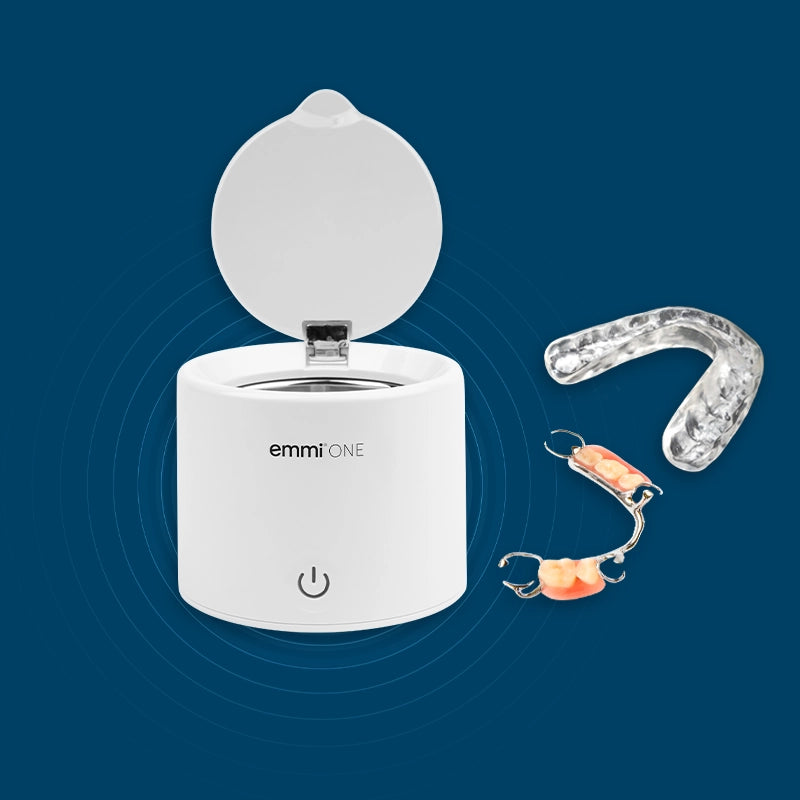
A custom-fitted dental splint from the dentist's office can mechanically protect the teeth and stop nocturnal abrasion. But for real, lasting relief, more than just plastic between your teeth is needed – you need to address it at a deeper level: your stress level.
A few minutes in the evening are often enough to give your nervous system the necessary impulse to relax. Gentle breathing exercises, progressive muscle relaxation, or a small journaling routine before bedtime help to release internal pressure. This way, not only your mind gets rest – but finally your jaw too.
Dry Mouth – A Silent Danger for Cavities
When your body is under stress, cortisol levels rise – and this has direct consequences for your oral health. Cortisol inhibits the activity of the salivary glands. The result: the natural, protective film of saliva becomes thinner or disappears entirely. Yet, this film is incredibly important, as it rinses away sugar residues, neutralizes acids, and keeps your oral flora balanced. If it's absent, sugar and acids remain on the teeth significantly longer. Bacteria immediately take advantage of this – they produce more acids that attack your tooth enamel. This is often noticeable as rough tooth surfaces or an unpleasantly fuzzy feeling on the tongue.
It becomes critical if, during stressful periods, you also reach for coffee, cola, or energy drinks – because they further dehydrate the mouth and lower the pH value. What helps? The simplest countermeasure is water. It's best to keep a carafe or a nice bottle within reach at your desk and regularly remind yourself to take sips of liquid. This naturally supports your saliva flow.
For in-between, a chewing gum with xylitol can also work wonders: it stimulates saliva production, tastes pleasantly fresh, and contains no sugar – ideal for stressful days when you want to do something good for your mouth.
Gum Inflammation – When the Immune System and Hormones Dance
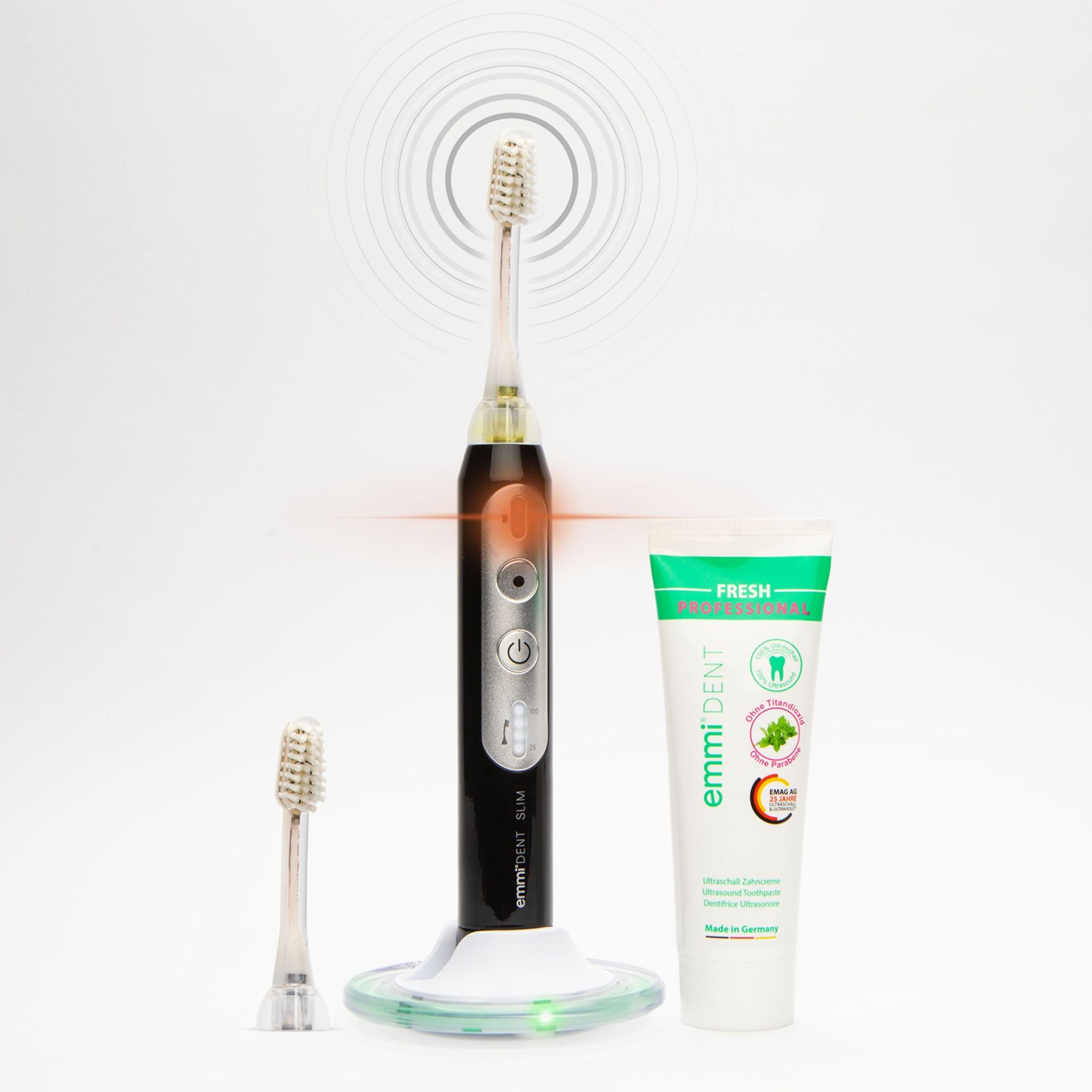
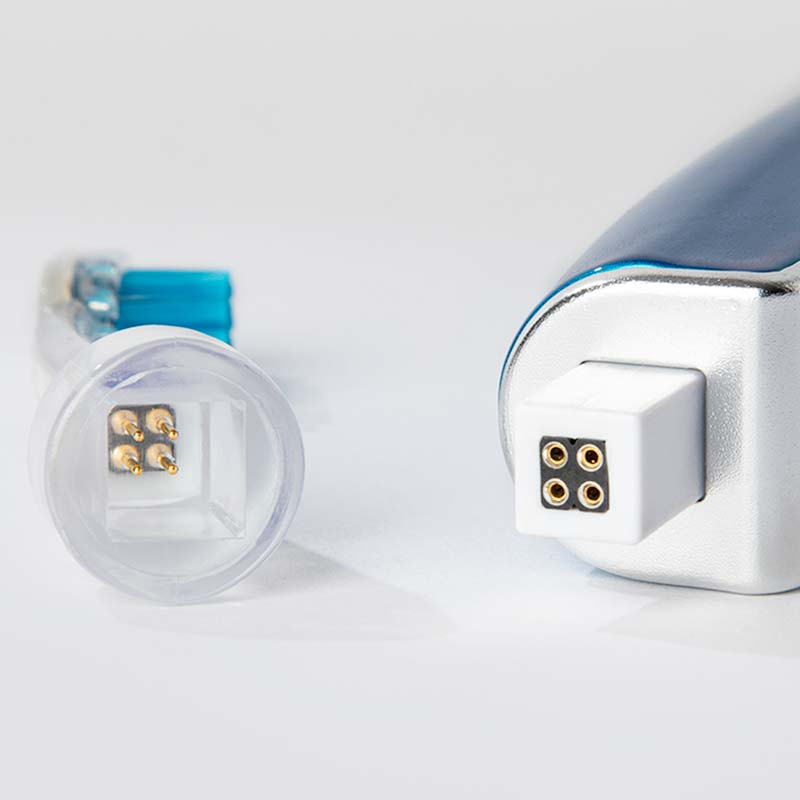
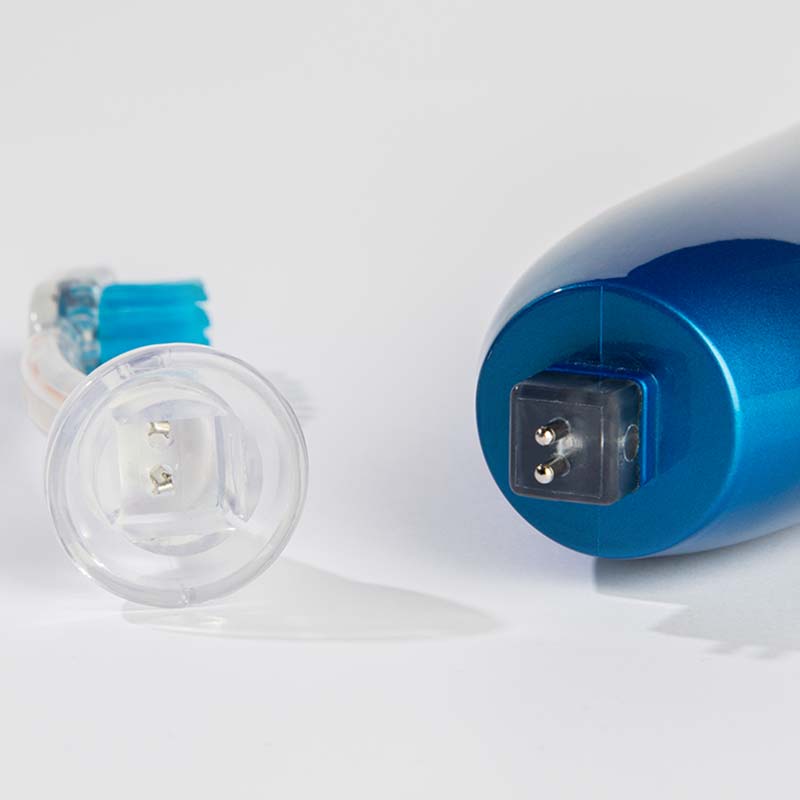
Under chronic stress, immune cells go haywire. The gums react more quickly with redness or swelling. Perhaps they suddenly bleed when you brush your teeth, even though you haven't changed your routine. This is exactly where our emmi-dent ultrasonic toothbrush shows its strength: since it cleans without mechanical pressure, the already irritated gums are not further stressed; instead, plaque and bacteria are reduced, even in the gum pockets. If you combine this with an alcohol-free mouthwash – alcohol additionally dries out – the tissue usually calms down within a few days.
Stress on the Plate – Diet as a Multiplier
When stressed, people often automatically reach for something sweet or salty – without much thought. Chocolate, cookies, chips, or crackers are readily available, offer temporary comfort, and provide a moment of relief. However, these small helpers are unfortunately not allies for your teeth. Sugar, especially, provides a veritable feast for oral bacteria – they produce acids that attack tooth enamel. Salty snacks like crackers are also more treacherous than one might think: they tend to stick in the interdental spaces, providing an ideal breeding ground for cavity-causing bacteria.
But there's another way – with clever alternatives that not only alleviate stress but also support your oral health. Keep small stress-busters handy that are good for your body and teeth-friendly: A handful of unsalted almonds, for example, provides valuable magnesium, which supports your nerves without attacking tooth enamel. A fresh apple has several advantages: it gently massages the gums while chewing, mechanically cleans the tooth surfaces, and stimulates saliva production – a natural protective mechanism against acids.
And if it really has to be chocolate – then enjoy it consciously. Afterwards, drink a glass of still water to reduce the acid load in your mouth, and wait about 30 minutes before brushing your teeth. Then, you can clean your teeth particularly gently, but effectively, with our emmi-dent ultrasonic toothbrush – without pressure, but with lasting effect. This way, you protect your teeth even in stressful times with small, mindful gestures.
Dental Care Routine – Your Shield Against the Effects of Stress
With a well-thought-out yet gently integrated care routine, much can be done to minimize stress-related issues in the mouth – effortlessly, but effectively. Start your day with two minutes of ultrasonic cleaning using your emmi®-dent toothbrush. The gentle ultrasonic waves not only clean thoroughly but almost without contact – completely without friction or pressure. This prevents micro-injuries to the gums, while tough bacterial chains are effectively reduced.
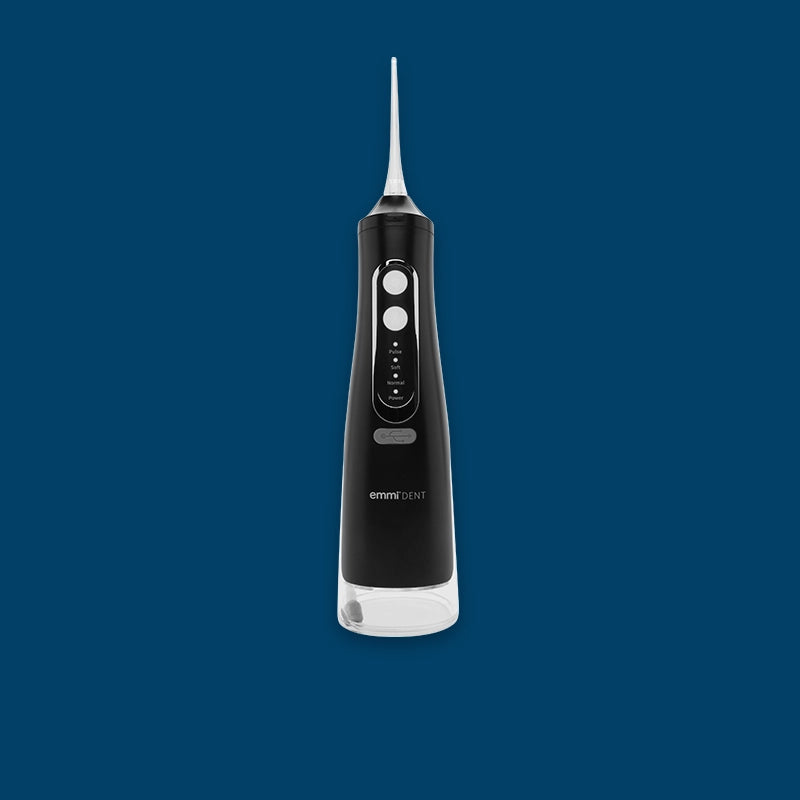
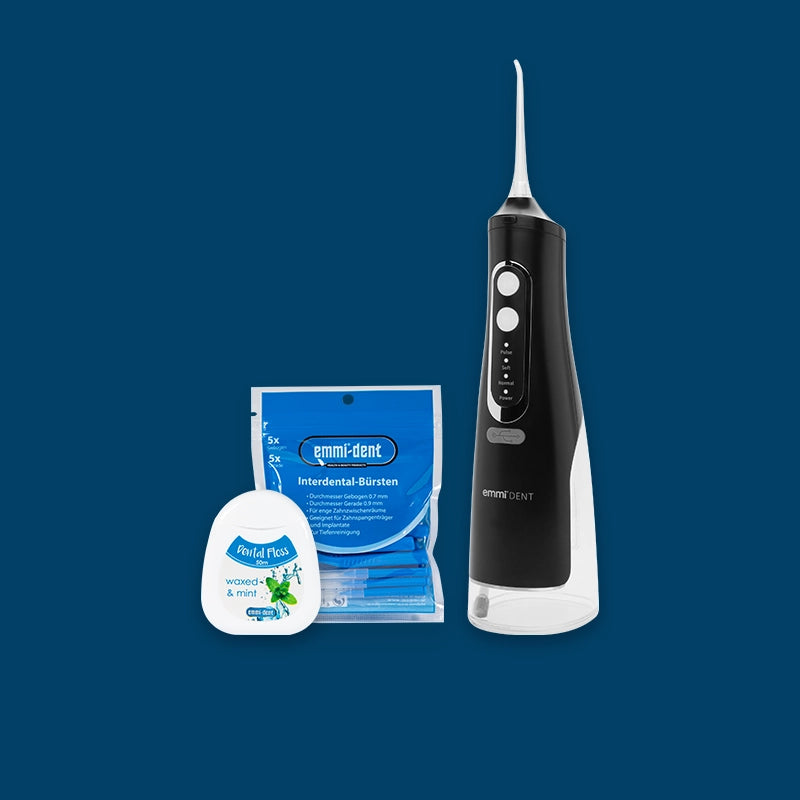
A short rinsing ritual with water or a mild tea at lunchtime is often enough to stabilize the pH value in the mouth and get saliva flowing again. In the evening, the combination of an ultrasonic toothbrush and an oral irrigator ensures a thoroughly clean, relaxed feeling – ideal for letting go of the day mentally too.
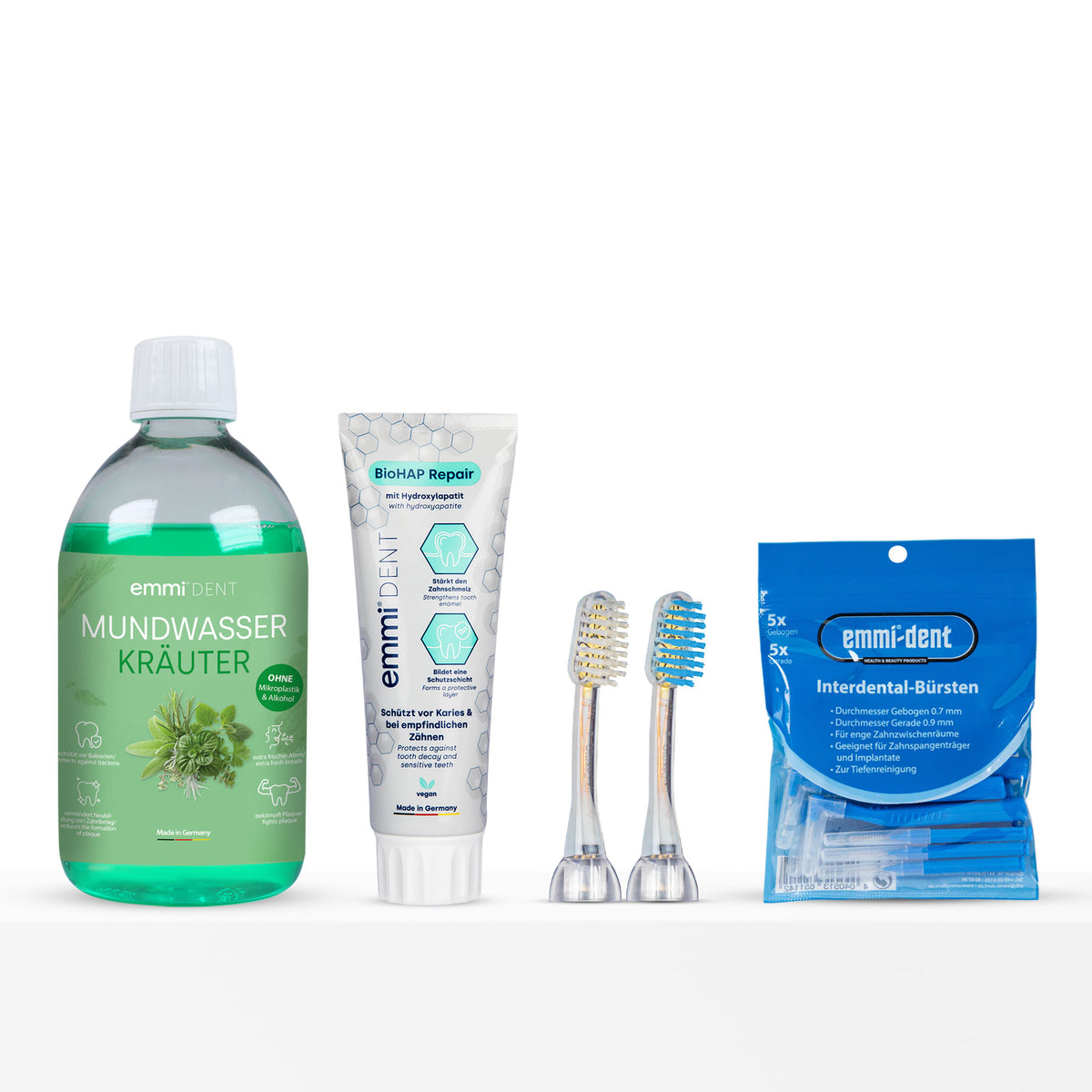
Once a week, you can do a little more: apply a remineralizing gel to specifically neutralize the first signs of acid-induced enamel weakening and build up new protective layers.
And if you grind your teeth at night? Then a custom-fitted grinding splint combined with a quiet breathing exercise right before falling asleep helps. It not only protects your teeth – but also gives you a moment of conscious relaxation that makes all the difference.
Mini-Relaxation to Go
No time for yoga? Five deep breaths often work wonders. Inhale through your nose for four seconds, hold your breath briefly, and exhale through your mouth for six seconds. Repeat this five times while thinking of something pleasant. Your pulse will slow, saliva will flow again, and your jaw will relax. Even a short walk during your lunch break lowers cortisol and brings fresh saliva into your mouth. Even during a meeting, you can consciously relax your chewing muscles by loosely placing your tongue between your rows of teeth – this prevents unconscious clenching.
Stress and Teeth: What You Should Know About Cavities, Grinding & Co.
Stress and its effects on dental health are the subject of many discussions. Can stress really cause cavities? Indirectly, yes – under stress, not only our behavior but also our physiological processes change. Stress often reduces saliva flow, which normally helps to neutralize harmful acids and wash away food particles. At the same time, many people tend to adopt unhealthy eating habits during stressful times, such as sugary snacks or soft drinks, which promotes plaque formation and thus increases the risk of cavities.
Questions about bruxism, unconscious teeth grinding, are also often central. Is a dental splint mandatory for bruxism? While it shouldn't always be seen as the sole measure, it offers effective protection for tooth enamel by reducing direct abrasion. In the long term, the combination of using a protective splint and targeted relaxation techniques can help reduce stress-induced muscle tension and thus counteract bruxism.
The role of magnesium is also repeatedly discussed when it comes to teeth grinding. Magnesium can slightly relax the muscles and helps to reduce tension in the jaw muscles – which can alleviate bruxism. Nevertheless, magnesium is not a panacea that replaces a targeted anti-stress strategy. Comprehensive stress management, which includes relaxation exercises and a healthy lifestyle, remains the key to effectively managing both stress itself and its negative effects on the teeth.