






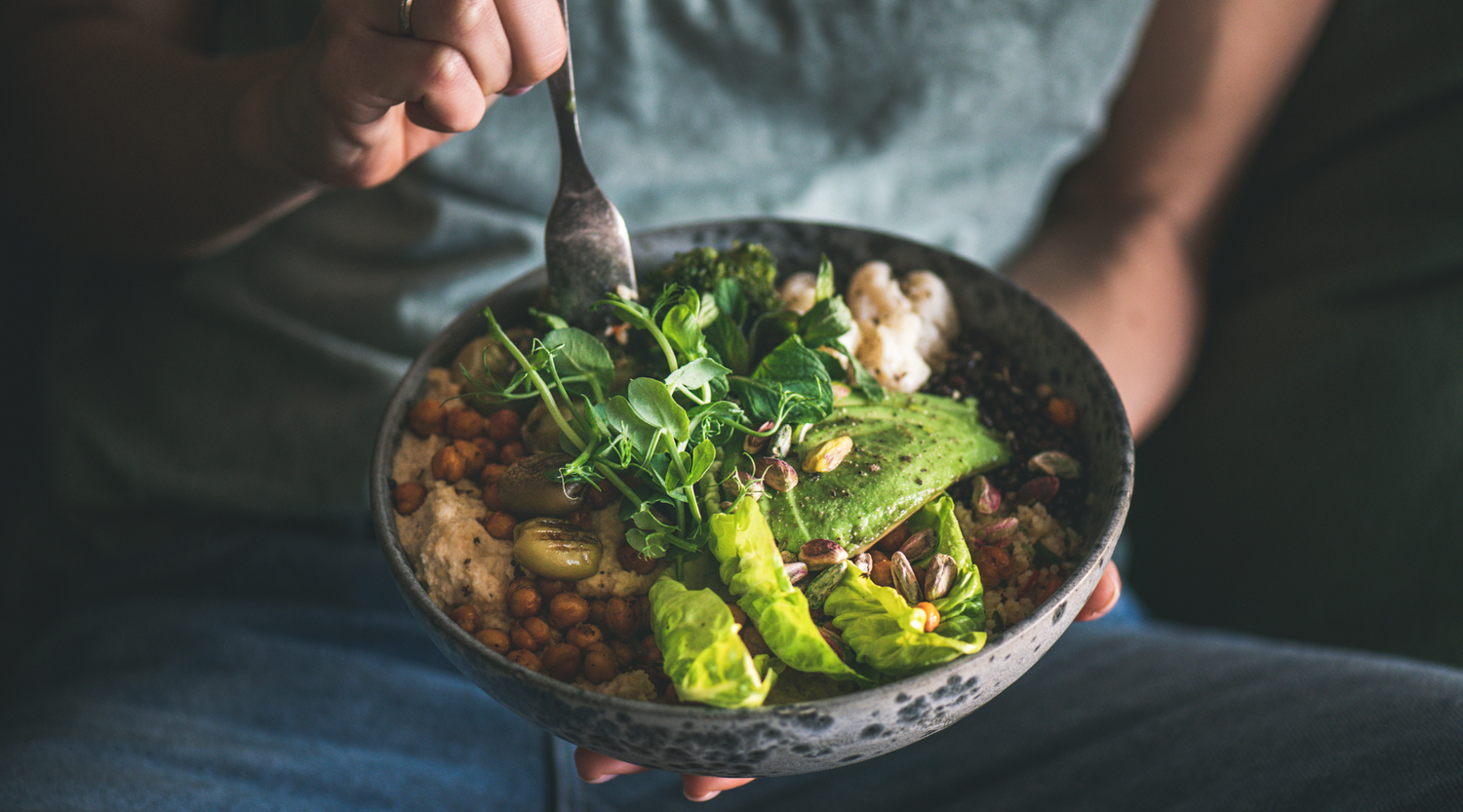
Perhaps you're familiar with the euphoric feeling after deciding to eliminate animal products from your diet: a clearer conscience, colorful bowls, new recipes, a lighter stomach. Yet, in the back of your mind, a question lingers: Are my teeth actually getting everything they need?
In recent years, studies and anecdotal reports on this topic have almost fallen over each other. Some data shows an increased risk of cavities, while others demonstrate no difference compared to an omnivorous diet. As is often the case, the truth lies between the extremes. The most important factors are nutrient balance, acid management, and, of course, a consistent but gentle oral hygiene routine. In this article, you'll learn what specifically to look out for – and how you can live a plant-based life with a few clever steps, without jeopardizing your dental health.
Nutrients: What Your Teeth Really Need
Let's start with calcium, the superstar for hard tooth enamel. Even without milk, you'll find plenty of plant-based sources: sesame, tahini, almonds, or fortified oat drinks provide an astonishing amount. It's important to include such foods daily, as your body cannot store calcium indefinitely. Furthermore, vitamin D3 helps integrate the mineral into bones and teeth in the first place. Those who get little sun – which is almost all of us in Central Europe – should use a vegan vitamin D3 supplement to fill any gaps.
To keep your gums firm and resilient, they need a dose of vitamin C. Just one kiwi or a handful of bell peppers covers the daily requirement. The classic among potential problem cases is vitamin B12. This vitamin controls countless metabolic reactions, including those for healthy mucous membranes. Since it is virtually absent in plants, there's no getting around a reliable supplement. A drop or a tablet per day – and your oral cavity will remain well-supplied.
Perhaps surprisingly: Omega-3 fatty acids are not just brain food, but anti-inflammatory helpers. Gums love them, especially if you're prone to slight redness or swelling. Flax and chia seeds or a splash of algae oil in your smoothie are enough for a basic daily supply.
Typical Pitfalls – and How to Charmingly Avoid Them
When transitioning to a plant-based diet, many people turn to fruit smoothies and fruit juices. They taste fantastic, provide vitamins, but carry two risks: sugar and acid. A fruit juice bath temporarily softens tooth enamel. If you then brush immediately, you'll abrade a thin layer of enamel. It's better to rinse your mouth with water after an acidic drink or snack, wait 30 minutes, and only then brush gently. Constant snacking is also tricky. Every bite of an organic muesli bar interrupts saliva flow, which is supposed to neutralize your pH value. It's better to plan clear meal times and give your mouth breaks – with still water as a companion.
Another stumbling block is "hidden oxalates and phytates." Spinach or raw rhubarb bind calcium, whole grains block zinc. This doesn't mean you have to avoid these foods. If you combine them with a calcium source or eat vitamin C-rich fruit in parallel, the blockage is often nullified.
The Vegan Oral Hygiene Routine – Step by Step
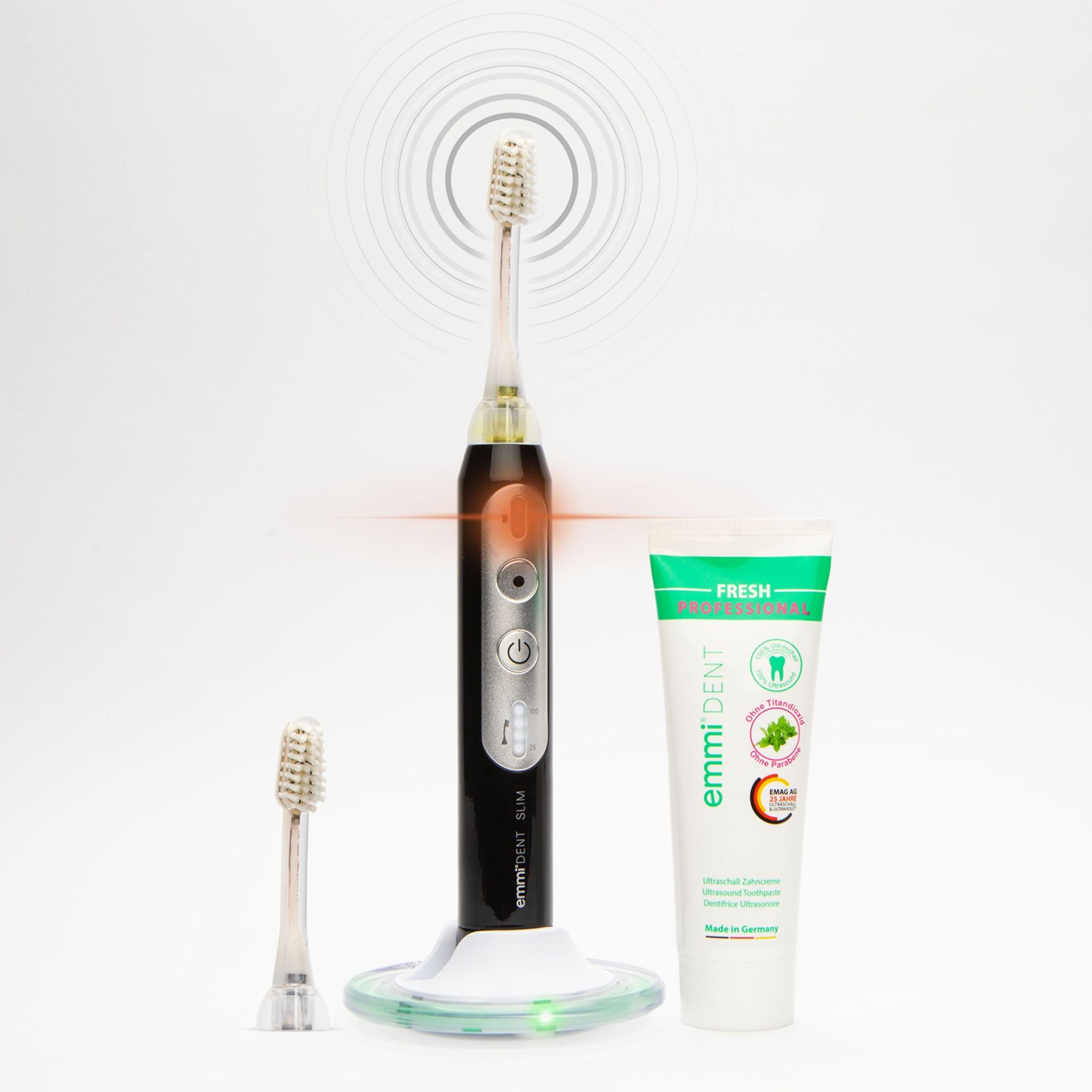
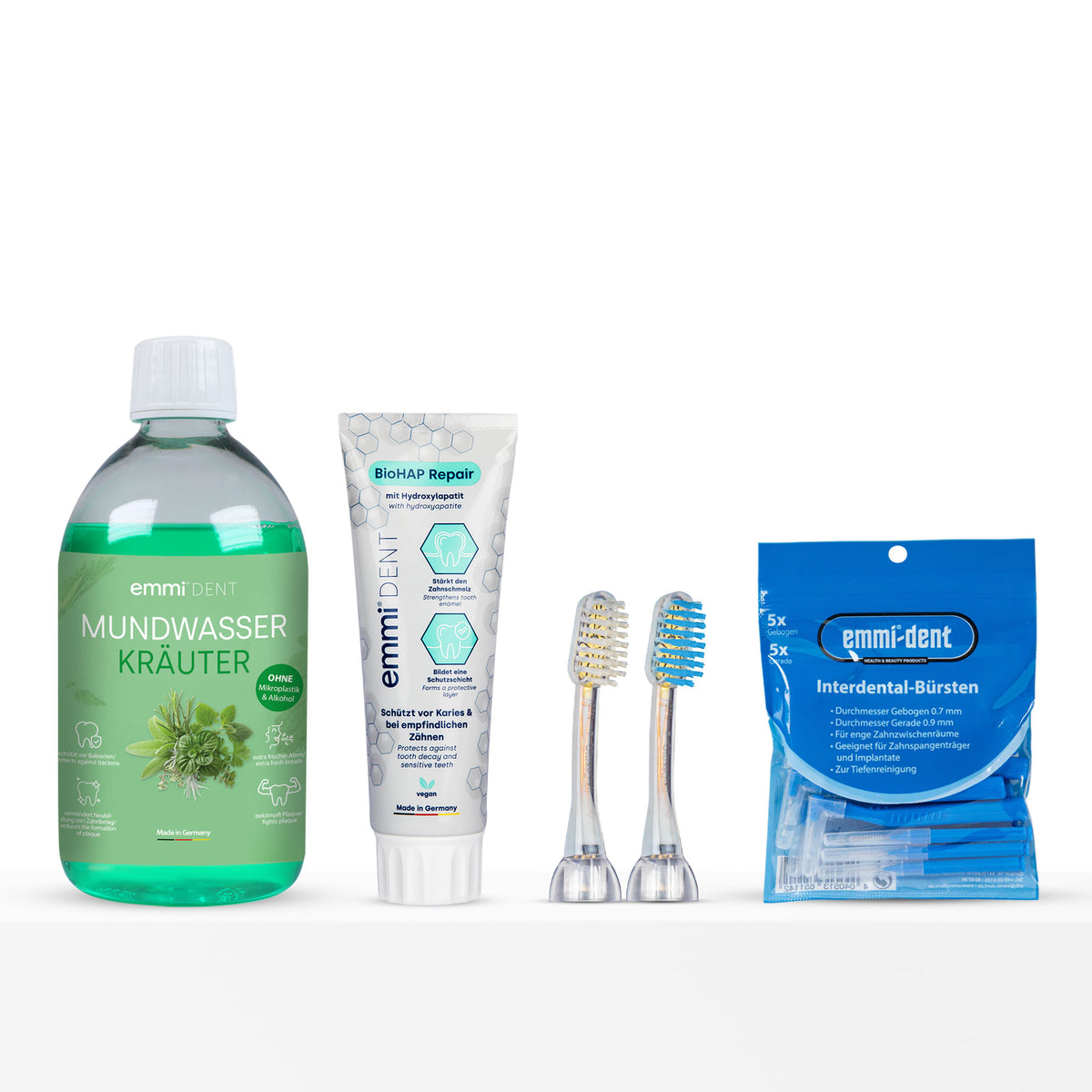
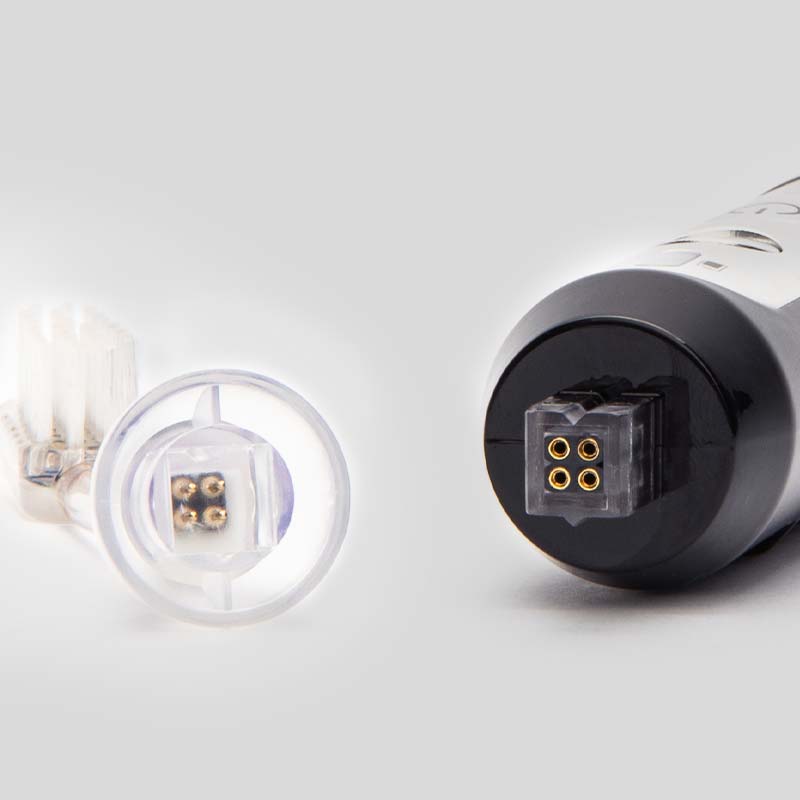
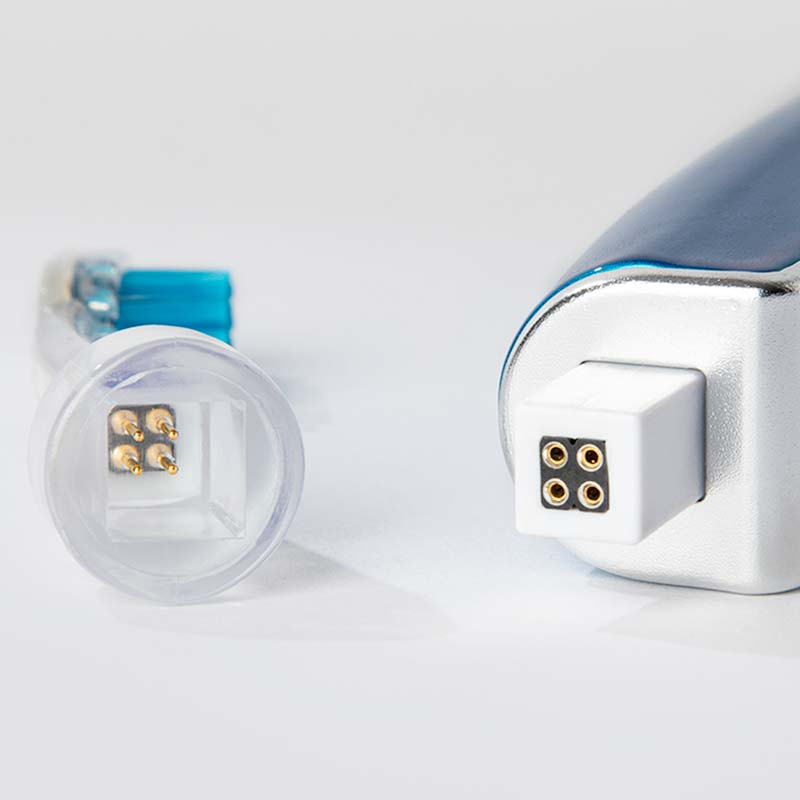
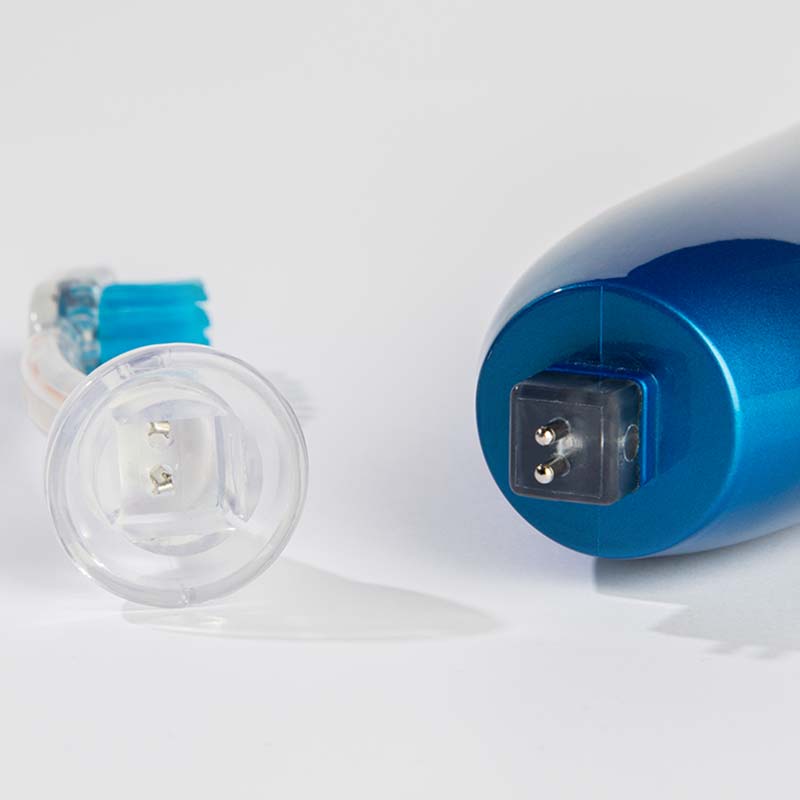
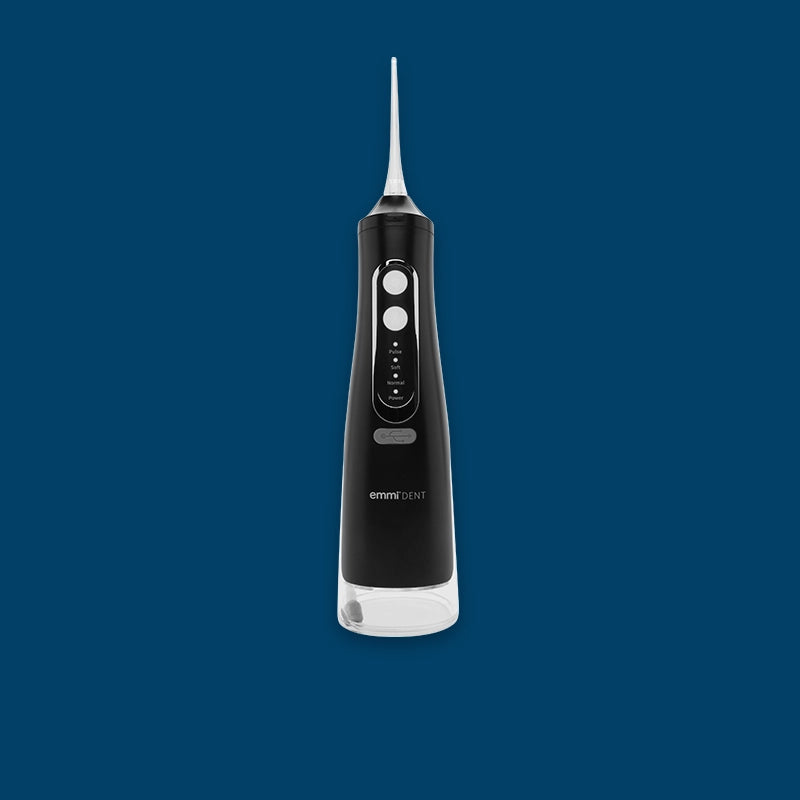
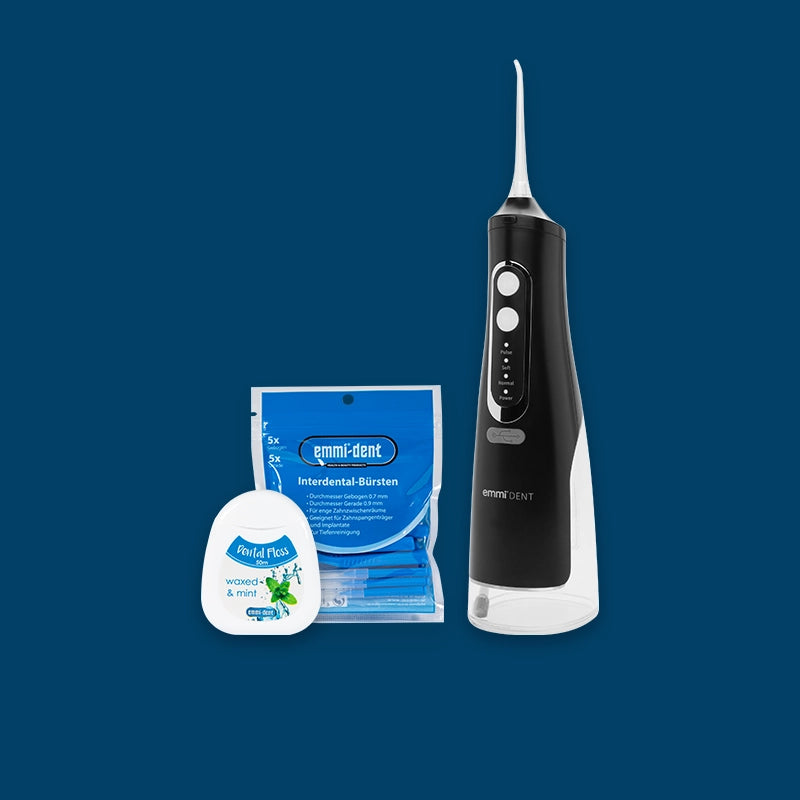
In the morning, it's best to start with our emmi-dent ultrasonic toothbrush and a mild, fluoride-containing toothpaste. The ultrasound reduces bacteria almost without contact, so your sensitive tooth enamel remains free of friction. At lunchtime, it's often enough to rinse your mouth with water or an alcohol-free mouth spray – especially practical in the office or at university. In the evening, brush again with ultrasound, then rinse the interdental spaces with the emmi-dent oral irrigator. The fine water-air mixture reaches fiber residues from leafy greens or almond pieces in places where dental floss easily gets stuck. Once a week – Sunday evening is perfect – a remineralizing gel of fluoride and calcium phosphate can pamper your teeth. It hardens superficial acid damage and gives you a smooth finish.
Twice a year, you should treat yourself to a professional dental cleaning at the dentist. Feel free to tell your dentist or the practice team that you are vegan: they will then specifically look for possible enamel erosion or sensitive tooth necks and recommend suitable polishing pastes.
Cleverly Neutralize Acids – Practical Everyday Tips
Do you love your homemade berry smoothie bowl? Then have a glass of water with a hint of baking soda – that neutralizes acid. After eating, a sugar-free xylitol candy is enough to stimulate saliva flow without introducing new sugar. Even a quick walk around the block works wonders: it strengthens blood circulation in the gums and simultaneously provides valuable sunlight that boosts your vitamin D production.
Science at a Glance – What Studies Say
A research team from Ghent University compared 100 vegans with 100 omnivores in 2019. The result: The incidence of cavities was almost identical, but vegans more frequently reported temperature-sensitive teeth – apparently due to higher fruit consumption. A meta-analysis from 2023 confirms: Those who eat plant-based only have an increased risk of dental erosion if they consume many highly acidic fruits or soft drinks. As soon as minerals, fluoride, and a gentle brush are used, the difference levels out.
Why Ultrasonic Toothbrushes are Good for Vegan Teeth
Especially when fruit, green tea, or whole grains regularly challenge the enamel, mechanical scrubbing can be harmful. Our emmi-dent ultrasonic toothbrush removes plaque purely by ultrasound – with up to 96 million multifrequency oscillations per minute, without polishing away the enamel. At the same time, small cracks remain closed because no bristle abrasion occurs. For the tooth neck, this means less pain sensitivity, for you an extra portion of comfort.
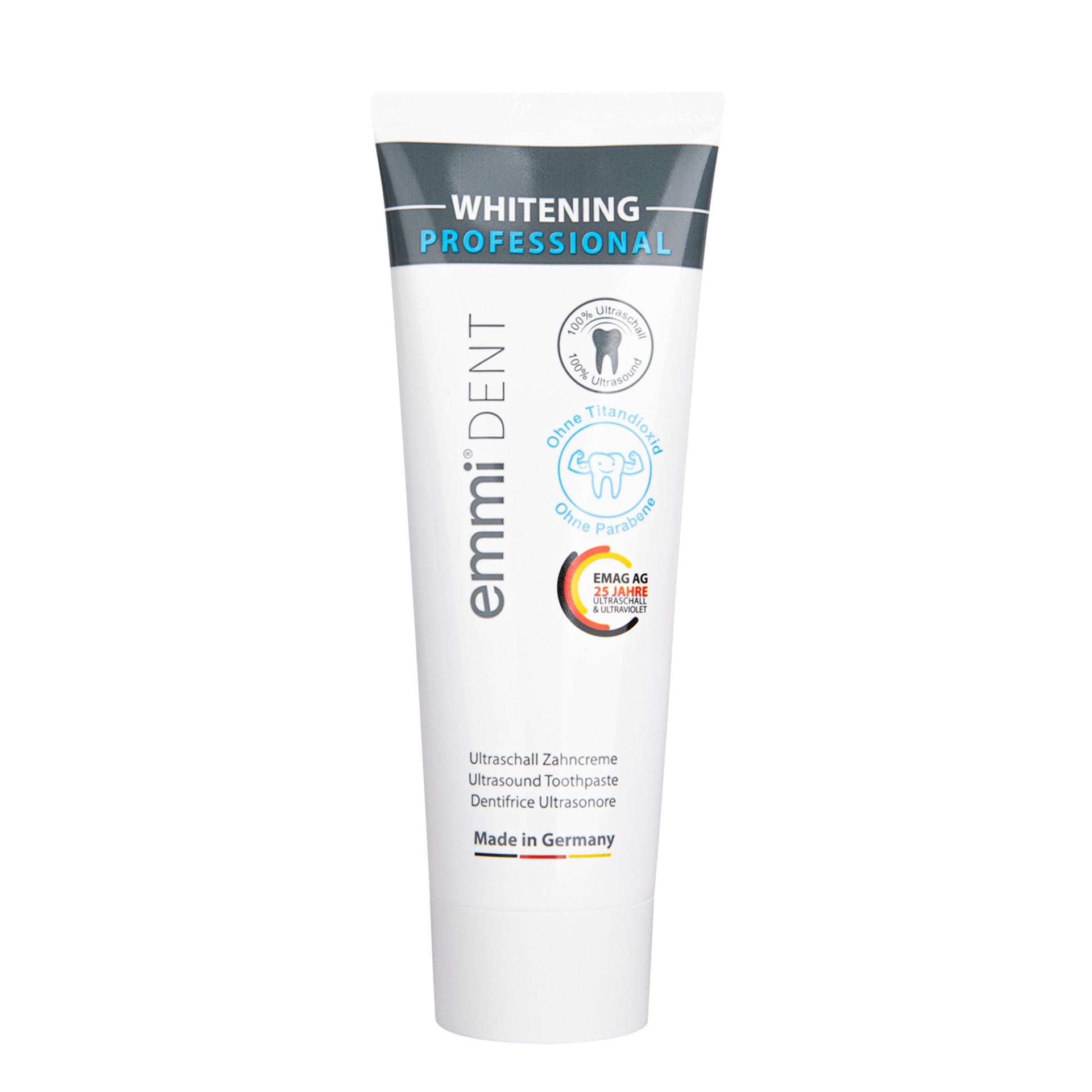
The best part: Our emmi-dent toothpaste is completely free of animal ingredients. No gelatin, no beeswax – instead, plant-based glycerin, tooth-friendly xylitol, and essential oils. This means your care routine is 100 percent compatible with your lifestyle.
Is Fluoride Vegan?
Yes – absolutely. The classic tooth protection fluoride found in toothpastes, mouthwashes, or tablets is industrially produced from inorganic raw materials (mostly fluorspar / fluorite). No animal-derived raw materials or auxiliary substances of animal origin are used. Even in the subsequent production steps – extraction, cleaning, drying, and filling – animal components are uncommon because they would be chemically superfluous. In short: fluoride is a purely mineral ion (F⁻) and therefore fits seamlessly into a vegan lifestyle and care routine.
Does My Tooth Enamel Get Thinner If I Eat A Lot of Fruit?
Fruit acids can indeed dissolve minerals from the enamel, but the decisive factor is not the amount of fruit, but the contact time and frequency. A single smoothie a day hardly causes damage if you normalize the pH of your oral cavity in between. Here's how:
- Take a brushing break: Wait at least 30 minutes after any acid-rich meal before reaching for the brush. Before that, the enamel is temporarily soft and could be mechanically abraded.
- Neutralize & dilute: Immediately rinse with tap water or sugar-free tea. This washes away acid and raises the pH more quickly. A sugar-free chewing gum with xylitol also stimulates saliva flow.
- Harden enamel: Use a fluoride-containing toothpaste daily or a weekly fluoride gel. Fluoride is incorporated into the uppermost crystal lattices of the enamel as fluorapatite – which is significantly more resistant to future acid attacks.
If you stick to this routine, your tooth enamel will remain stable – and can even become denser through remineralizing fluoride contacts.
Do I Absolutely Need Vitamin B12?
Absolutely, because cobalamin (vitamin B12) is not only essential for energy metabolism and blood formation, but also directly affects oral health:
- Mucous membranes & tongue: A chronic deficiency often first manifests orally: burning tongue, redness ("beefy tongue"), angular cheilitis, or shallow, painful ulcers.
- Nerves: Without sufficient B12, nerve fibers demyelinate – leading to numbness, tingling, or permanent nerve damage that even perfect dental hygiene cannot prevent.
- Risk groups: People with strict vegan diets, absorption disorders (e.g., atrophic gastritis, gastric bypass), or older age require regular laboratory checks and usually supplements.
Recommendation: Have your Holo-TC level (active B12) determined at least once a year. If it is below the norm, you can counteract it specifically – be it with tablets, lozenges (already absorbed in the oral mucosa) or, in case of severe absorption problems, with injections. This not only prevents systemic damage but also maintains the healthy microenvironment of your oral cavity.
Vegan Diet & Radiant Teeth – The Dream Team
Living plant-based and maintaining a flawless smile is not a contradiction. The magic formula is: Eat nutrient-consciously, manage acids, and establish an ultra-gentle but effective care routine. With calcium from sesame, vitamin B12 via supplements, a splash of sunlight, and our emmi-dent ultrasonic toothbrush, you are perfectly equipped. This way, you enjoy the good feeling of an animal-friendly diet – and your teeth visibly enjoy it too.